
When you want dinner to feel a little special but do not want to spend your evening juggling complicated ingredients, a simple piece of white fish can be surprisingly impressive. Cover it with a glossy miso glaze, bake it until tender, and finish it with just enough heat to caramelize the surface. Suddenly, an ordinary weeknight fish dinner becomes something you will want to make again.
Beast Caramelized Miso-Glazed White Fish brings together delicate, flaky fish and a savory-sweet glaze made with white miso, honey, soy sauce, ginger, garlic, rice vinegar, and sesame oil. As the fish cooks, the glaze becomes glossy and concentrated, with golden-brown edges that contrast beautifully with the moist flesh underneath.
You can serve your miso-glazed fish over steamed rice, add fresh cucumber and edamame for a colorful bowl, or pair it with greens for a lighter meal. The preparation is straightforward, and once you understand how to balance the glaze and control the final caramelization, you have an easy fish recipe that works for both busy dinners and special occasions.
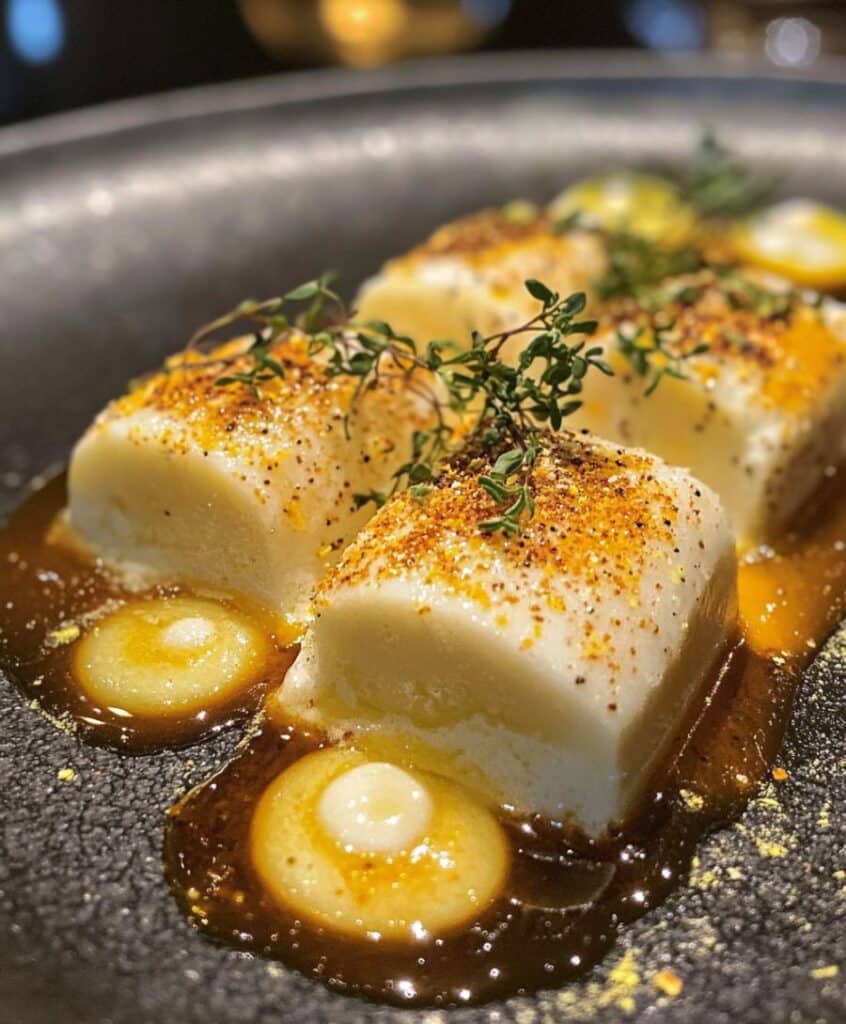
Why You’ll Love Beast Caramelized Miso-Glazed White Fish
This recipe packs plenty of flavor into a short ingredient list.
You will love it because you get:
- Tender, flaky white fish
- A savory-sweet miso glaze
- Deep umami flavor
- Beautiful caramelized edges
- Minimal preparation
- Flexible fish choices
- Easy side-dish options
- A restaurant-inspired presentation at home
You can also adjust the glaze easily. Make it sweeter with honey, brighter with citrus, spicier with chili, or more aromatic with additional ginger.
What Is Caramelized Miso-Glazed White Fish?
Miso-glazed fish is made by coating fish with a miso-based mixture before cooking it until tender.
The caramelized miso-glazed white fish in this recipe uses a slightly sweet glaze so the surface can develop deeper color and flavor during baking and broiling.
A Savory-Sweet Miso Fish Recipe
The glaze combines several flavor elements.
You get:
- Saltiness and umami from miso
- Sweetness from honey
- Savory depth from soy sauce
- Acidity from rice vinegar
- Warmth from ginger
- Aroma from garlic
- Toasted notes from sesame oil
The white fish provides a mild base that lets those flavors stand out without making the meal feel overly heavy.
Why Miso Works So Well with White Fish
White fish tends to have a delicate flavor, which makes it a useful canvas for bold sauces and marinades.
Miso brings concentrated savory character. When balanced with sweetness and acidity, it creates a glaze that complements the fish rather than overwhelming it.
What Does Miso-Glazed Fish Taste Like?
Expect a combination of:
- Savory
- Slightly sweet
- Salty
- Gingery
- Nutty
- Caramelized
The exact flavor depends on your miso paste and the amount of honey, soy sauce, and vinegar you use.
Ingredients for Beast Caramelized Miso-Glazed White Fish
Main Ingredients
| Ingredient | Quantity | Purpose |
|---|---|---|
| White fish fillets | 4 | Main protein |
| White miso paste | 3 tbsp | Umami-rich glaze base |
| Honey or maple syrup | 2 tbsp | Sweetness and caramelization |
| Soy sauce | 1 tbsp | Savory depth |
| Rice vinegar | 1 tbsp | Bright acidity |
| Sesame oil | 1 tsp | Toasted aroma |
| Fresh ginger, grated | 1 tsp | Warm aromatic flavor |
| Garlic, minced | 1 clove | Savory depth |
| Neutral oil | 1 tsp | Helps with cooking |
Garnishes
| Garnish | What It Adds |
|---|---|
| Green onions | Fresh, mild onion flavor |
| Sesame seeds | Nutty crunch |
| Cilantro | Fresh herbal flavor |
| Lemon or lime | Bright acidity |
| Chili flakes | Optional heat |
Easy Ingredient Substitutions
If you need to adapt the recipe, try:
- Maple syrup instead of honey
- Tamari instead of soy sauce
- Lemon juice instead of rice vinegar
- Garlic powder instead of fresh garlic
- Chili oil for sesame oil when you want extra heat
Remember that miso and soy sauce are already salty, so taste your glaze before adding additional salt.
Choosing the Best White Fish for Miso Glaze
You can use several types of white fish, but thickness and texture affect cooking time.
Cod
Cod is an excellent choice for miso glazed fish.
It has:
- Mild flavor
- Firm flesh
- Thick fillets
- Flaky texture
Thicker cod fillets are particularly useful because they give the glaze time to develop while the center cooks.
Other White Fish Options
Try:
- Haddock
- Halibut
- Pollock
- Sea bass
- Tilapia
Thin fillets cook more quickly than thick pieces, so start checking them earlier.
Fresh vs. Frozen Fish
Frozen white fish can work perfectly well.
Thaw it completely before cooking, then pat the surface dry with paper towels.
Excess water can dilute your glaze and interfere with browning.
Understanding Miso Paste
Miso is a fermented seasoning commonly made from soybeans, salt, and koji, although ingredients and fermentation methods vary.
Different types of miso offer different levels of sweetness, saltiness, and intensity.
White Miso vs. Red Miso
| Miso Type | General Flavor | Use in This Recipe |
|---|---|---|
| White miso | Mild, slightly sweet | Ideal starting point |
| Yellow miso | Moderately savory | Good substitute |
| Red miso | Stronger and deeper | Best for a bolder glaze |
Which Miso Is Best for White Fish?
White miso works especially well because its relatively mild character complements delicate fish.
If you use red miso, consider reducing the quantity slightly and tasting the glaze before adding more soy sauce.
How to Make the Perfect Miso Glaze
The glaze takes only a few minutes to prepare.
Easy Miso Glaze
In a bowl, whisk together:
- 3 tablespoons white miso
- 2 tablespoons honey
- 1 tablespoon soy sauce
- 1 tablespoon rice vinegar
- 1 teaspoon sesame oil
- 1 teaspoon grated ginger
- 1 minced garlic clove
Continue whisking until the mixture looks smooth.
How to Balance Sweet, Salty, and Savory Flavors
Each ingredient has a job.
Miso creates the savory base.
Honey softens the saltiness and helps the surface caramelize.
Rice vinegar adds acidity, preventing the glaze from tasting overly rich.
Soy sauce reinforces savory flavor.
Ginger and garlic bring aromatic complexity.
Sesame oil gives the glaze a toasted finish.
Adjusting the Glaze
For a sweeter glaze, add a little more honey.
For more acidity, add rice vinegar or citrus juice.
For heat, add chili flakes, chili paste, or chili oil.
For stronger miso flavor, add a little more miso while keeping the overall saltiness in mind.
How to Make Beast Caramelized Miso-Glazed White Fish
Step 1: Prepare the Fish
If using frozen fish, thaw it completely.
Pat each fillet dry and check for any remaining bones.
Place the fillets on a lined or lightly greased baking tray.
Step 2: Prepare the Miso Glaze
Whisk the miso, honey, soy sauce, rice vinegar, sesame oil, ginger, and garlic together.
Taste the glaze.
Because both miso and soy sauce contain salt, you may not need additional seasoning.
Step 3: Glaze the Fish
Brush or spoon the glaze over the top of each fillet.
Aim for an even coating rather than an extremely thick layer.
How Much Glaze Should You Use?
You want enough glaze to cover the surface without drowning the fish.
An excessively thick coating can become very dark before the center is cooked.
Reserve unused clean glaze separately if you want additional sauce later. Do not reuse glaze that has been in contact with uncooked fish unless it is cooked appropriately.
Step 4: Bake the Fish
Preheat your oven to around 400°F (200°C).
Bake the fillets until the center is cooked and the flesh flakes easily.
Cooking time varies significantly depending on thickness.
For food safety, fish should reach an internal temperature of 145°F (63°C) according to USDA guidance.
Use a food thermometer at the thickest part when you want the most reliable result.
Step 5: Caramelize the Glaze
If your fish is cooked but you want more color, switch to the broiler briefly.
Keep the tray close enough to the heat for the glaze to develop:
- Golden-brown spots
- Dark caramelized edges
- A glossy surface
Watch continuously.
Honey and miso can move from caramelized to burned quickly.
Step 6: Garnish and Serve
Finish with:
- Sliced green onions
- Sesame seeds
- Cilantro
- Lemon or lime
- Chili flakes
Serve immediately.
How to Get a Perfect Caramelized Miso Glaze
The glaze is one of the most important parts of this recipe.
Pat the Fish Dry
Moisture sitting on the surface makes it more difficult for the glaze to cling and caramelize.
Use a Moderate Layer
A thin, even coating develops color more predictably than a very thick layer.
Finish Under the Broiler
Baking cooks the fish gently, while a short broiling finish gives you concentrated heat at the surface.
That is useful when the fish is cooked but the glaze still looks pale.
Watch Closely
Never walk away while broiling miso-glazed fish.
The sugar in honey can brown rapidly.
How to Keep White Fish Moist and Flaky
White fish can go from tender to dry quickly, especially when fillets are thin.
Choose Similar-Sized Fillets
Using pieces with similar thickness makes cooking more predictable.
Avoid Overcooking
Start checking the fish early.
The exact cooking time matters less than the actual doneness of your fillets.
Check the Thickest Part
Insert your thermometer into the thickest section.
This gives you a better indication than judging the browned surface.
Rest Briefly
Let the fish sit for a couple of minutes while you finish plating your side dishes.
Then serve it while warm.
Alternative Cooking Methods for Miso-Glazed Fish
Oven-Baked Miso Fish
Baking is the easiest option when cooking several fillets.
It offers:
- Even heat
- Minimal hands-on work
- Easy broiler finishing
Air Fryer Miso-Glazed Fish
An air fryer can create excellent surface browning.
Use a moderate amount of glaze and check the fish early because air fryer cooking speeds vary by model and fillet thickness.
Pan-Seared Miso Fish
Pan-searing requires more care.
Sugary miso glaze can stick or burn when placed directly against a very hot pan.
You can sear the fish first and add the glaze later in the cooking process.
Broiled Miso Fish
Broiling works particularly well for thinner pieces and rapid caramelization.
However, you need to monitor the fish constantly.
Easy Caramelized Miso-Glazed White Fish Variations
Spicy Miso-Glazed Fish
Add:
- Chili flakes
- Sriracha
- Chili paste
- Chili oil
The sweetness of honey helps balance the heat.
Honey Ginger Miso Fish
Increase the honey and fresh ginger for a sweeter, more aromatic glaze.
Finish with sesame seeds and green onions.
Citrus Miso Fish
Add:
- Lime zest
- Lemon zest
- Orange zest
Citrus can brighten the salty-sweet miso flavor.
Garlic Miso Fish
Double the garlic and finish with plenty of sliced green onions.
Sesame Miso Fish
Add extra toasted sesame seeds after cooking and a small amount of sesame oil to the glaze.
What to Serve with Miso-Glazed White Fish
Rice and Grain Pairings
Serve your fish with:
- Steamed jasmine rice
- Short-grain rice
- Brown rice
- Quinoa
Rice is particularly useful because it provides a mild base for the intensely flavored glaze.
Vegetable Side Dishes
Try:
- Bok choy
- Broccoli
- Green beans
- Asparagus
- Edamame
- Sautéed spinach
- Cucumber salad
Fresh and Light Sides
For contrast, serve:
- Cabbage slaw
- Sesame cucumber salad
- Pickled vegetables
- Mixed greens
Build an Easy Miso Fish Bowl
Turn the recipe into a complete bowl with:
- Steamed rice
- Caramelized miso-glazed fish
- Cucumber slices
- Edamame
- Avocado
- Green onions
- Sesame seeds
Finish with lime juice or a small spoonful of extra cooked miso sauce.
Expert Tips for the Best Beast Caramelized Miso-Glazed White Fish
For consistent results:
- Thaw frozen fish completely.
- Pat fillets dry before glazing.
- Choose pieces of similar thickness.
- Whisk your glaze until smooth.
- Taste before adding extra salt.
- Apply an even layer of glaze.
- Start checking thin fillets early.
- Watch constantly during broiling.
- Add fresh garnishes just before serving.
Common Mistakes to Avoid
Avoid these problems:
Glazing wet fish: Excess moisture weakens the glaze.
Using too much soy sauce: Miso already contains significant saltiness.
Applying too much glaze: A thick coating may burn.
Overcooking thin fillets: Thin fish cooks rapidly.
Leaving the broiler unattended: The glaze can scorch within a short period.
Make-Ahead Tips for Miso-Glazed Fish
Prepare the Glaze Ahead
You can make the miso glaze in advance and refrigerate it in a covered container.
Stir well before using.
Prepare Your Side Dishes
You can also:
- Chop vegetables
- Prepare garnishes
- Cook or portion rice
- Mix cucumber salad
Then the fish becomes the final quick-cooking component.
Easy Weeknight Strategy
Prepare your meal in this order:
- Make the glaze.
- Prepare vegetables.
- Start the rice.
- Chop garnishes.
- Glaze the fish.
- Bake and caramelize.
- Assemble and serve.
Storage and Reheating Tips
How to Store Leftover Miso Fish
Transfer leftover cooked fish to an airtight container and refrigerate promptly.
For exact storage periods, follow current USDA food-safety recommendations.
How to Reheat White Fish Without Drying It Out
Gentle heat works best.
You can use:
- A low oven
- A covered skillet
- Short microwave intervals
Avoid prolonged high heat, which can make the fish dry.
Can You Freeze Miso-Glazed White Fish?
Cooked fish can be frozen, although its texture may become somewhat softer after thawing.
For the best eating experience, this recipe is particularly good freshly cooked.
FAQ About Beast Caramelized Miso-Glazed White Fish
What Is Beast Caramelized Miso-Glazed White Fish?
It is white fish coated with a savory-sweet miso glaze made with ingredients such as honey, soy sauce, ginger, garlic, and rice vinegar, then cooked until tender with a caramelized surface.
What Fish Is Best for Beast Caramelized Miso-Glazed White Fish?
Cod is an excellent choice because of its mild flavor and flaky texture.
You can also use haddock, halibut, pollock, sea bass, or another suitable white fish.
What Type of Miso Should I Use?
White miso is a good choice because it has a relatively mild, slightly sweet flavor.
Yellow miso can also work, while red miso creates a stronger result.
Can I Use Frozen Fish for Beast Caramelized Miso-Glazed White Fish?
Yes.
Thaw frozen fish completely and pat it dry before applying the glaze.
How Do You Caramelize Miso Glaze Without Burning It?
Bake the fish until nearly or fully cooked, then briefly broil the surface while watching it continuously.
The honey and miso will brown quickly.
Why Is My Miso-Glazed Fish Too Salty?
Both miso and soy sauce add saltiness.
Taste the glaze before adding any extra salt and reduce the soy sauce if your miso is particularly salty.
Can I Make Beast Caramelized Miso-Glazed White Fish Spicy?
Yes.
Add chili flakes, sriracha, chili paste, or chili oil to the glaze.
What Should I Serve with Miso-Glazed White Fish?
Rice, bok choy, broccoli, edamame, asparagus, cucumber salad, spinach, avocado, and pickled vegetables all pair well with the savory-sweet glaze.
Conclusion
Beast Caramelized Miso-Glazed White Fish is an easy way to turn a mild fish fillet into a flavorful dinner with very little preparation. White miso provides savory depth, honey creates sweetness and caramelization, rice vinegar adds brightness, and ginger, garlic, soy sauce, and sesame bring everything together.
Once you know how to keep the fish dry before glazing, use a moderate coating, and carefully caramelize the surface, you can create tender fish with a beautifully browned finish without complicated techniques.
Serve your caramelized miso-glazed white fish over rice, build it into a colorful bowl, or pair it with greens and cucumber salad for a lighter dinner. You can also customize the glaze with chili, citrus, extra ginger, garlic, or sesame.
Save this recipe for your next easy fish dinner, share it with someone who loves savory-sweet flavors, and try your own variation. When you make it, leave a comment and tell us which white fish, side dish, or miso glaze combination became your favorite.