There is something especially comforting about walking into your kitchen and smelling a pot of chicken, vegetables, garlic, and herbs slowly simmering on the stove. It is the kind of meal that feels familiar before you even take the first bite.
This Best Classic Chicken Stew gives you everything you want from homemade comfort food: tender chicken, creamy potatoes, sweet carrots, celery, onions, garlic, and herbs surrounded by a rich, savory broth. It is hearty enough to serve as a complete dinner, yet simple enough to make without spending your entire evening in the kitchen.
Unlike a lighter chicken soup, this stew has body. The broth is thicker, the vegetables are cut into satisfying pieces, and every spoonful gives you a combination of chicken, potatoes, vegetables, and sauce.
You can serve your Easy Classic Chicken Stew with crusty bread for dipping, spoon it over rice, pair it with warm biscuits, or enjoy a generous bowl exactly as it is.
It is also a practical recipe to keep in your dinner rotation because you can customize the vegetables, use chicken thighs or breasts, make it creamy, or add extra herbs depending on what you have available.
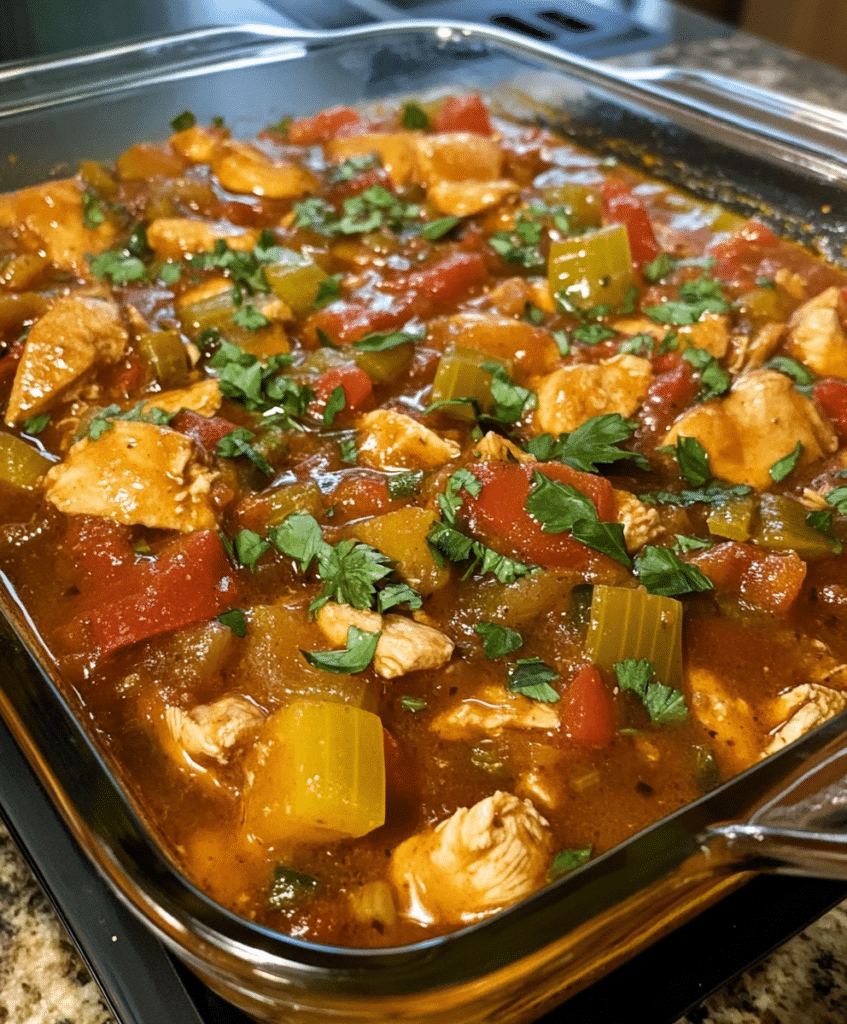
What Is Classic Chicken Stew?
Classic chicken stew is a hearty one-pot dish made by gently simmering chicken with vegetables, broth, aromatics, herbs, and seasonings.
Traditional versions commonly include potatoes, carrots, celery, onion, and garlic.
The ingredients cook together until the chicken becomes tender, the vegetables soften, and the broth develops a rich consistency.
Chicken Stew vs. Chicken Soup
Although the two dishes share several ingredients, chicken stew and chicken soup are not quite the same.
Chicken soup generally contains more liquid and a thinner broth. The ingredients may also be cut into smaller pieces.
Chicken stew tends to be:
- Thicker
- Heartier
- Richer
- More substantial
- Packed with larger pieces of vegetables
The broth should lightly coat your spoon rather than feel completely watery.
What Makes Chicken Stew Classic?
You don’t need unusual ingredients.
The familiar combination usually includes:
- Chicken
- Potatoes
- Carrots
- Celery
- Onion
- Garlic
- Chicken broth
- Thyme
- Bay leaves
- Black pepper
Those simple ingredients create the comforting flavor associated with traditional homemade stew.
Why You’ll Love This Best Classic Chicken Stew
This recipe is especially useful when you want something hearty without making several separate dishes.
You’ll love it because it is:
- Made in one pot
- Easy to prepare
- Packed with vegetables
- Family-friendly
- Budget-conscious
- Great for leftovers
- Easy to customize
- Perfect for colder days
- Suitable for meal prep
The flavor also develops as the ingredients simmer together, so you don’t need complicated techniques to create a satisfying meal.
Classic Chicken Stew Ingredients
Main Ingredients
| Ingredient | Amount | Purpose |
|---|---|---|
| Boneless chicken thighs | 1½–2 lbs | Main protein |
| Yukon Gold potatoes | 1½ lbs | Hearty texture |
| Carrots | 3 large | Natural sweetness |
| Celery | 3 stalks | Savory flavor |
| Onion | 1 large | Aromatic base |
| Garlic | 4 cloves | Flavor |
| Chicken broth | 4 cups | Stew base |
| Olive oil | 2 tbsp | Browning |
Herbs and Seasonings
| Ingredient | Amount | Purpose |
|---|---|---|
| Dried thyme | 1 tsp | Herbal flavor |
| Dried rosemary | ½ tsp | Earthy aroma |
| Bay leaves | 2 | Savory depth |
| Paprika | 1 tsp | Color and mild flavor |
| Black pepper | ½ tsp | Seasoning |
| Salt | To taste | Balances flavor |
| Fresh parsley | ¼ cup | Fresh finish |
Ingredients for Thickening
| Ingredient | Amount |
|---|---|
| Butter | 2 tbsp |
| All-purpose flour | 3 tbsp |
| Additional broth or water | As needed |
Choosing the Best Chicken for Chicken Stew
You can make chicken stew with breasts or thighs, but they behave differently during cooking.
Chicken Thighs
Boneless, skinless chicken thighs are an excellent choice for stew.
They contain more fat than chicken breasts, which helps them stay juicy during simmering.
They also provide a slightly richer flavor.
Chicken thighs are particularly useful if you plan to reheat your stew because they are relatively forgiving.
Chicken Breasts
Chicken breasts give you a leaner stew.
They work well, but you should avoid simmering small pieces for an excessive amount of time.
Overcooked chicken breast can become dry.
Bone-In vs. Boneless Chicken
Bone-in chicken can provide additional flavor, but boneless chicken makes preparation and serving easier.
For a straightforward weeknight recipe, boneless thighs are a convenient choice.
Whichever cut you choose, poultry should reach a safe internal temperature of 165°F (74°C) when measured with a food thermometer.
Choosing the Best Potatoes
Potatoes give chicken stew much of its satisfying texture.
Yukon Gold Potatoes
Yukon Golds are an excellent choice because they become creamy while still holding their shape.
Their naturally buttery flavor also complements chicken broth.
Red Potatoes
Red potatoes are firm and hold together well during simmering.
Use them when you want clearly defined potato pieces.
Russet Potatoes
Russets contain more starch.
They soften more easily and can help thicken your broth naturally.
Should You Peel Potatoes?
You don’t necessarily need to.
Thin-skinned potatoes such as Yukon Golds can simply be scrubbed thoroughly and chopped.
If you prefer a smoother texture, peel them first.
Best Vegetables for Classic Chicken Stew
The traditional combination is simple:
- Carrots
- Celery
- Onion
- Potatoes
You can expand the recipe with:
- Peas
- Mushrooms
- Green beans
- Corn
- Parsnips
- Turnips
- Spinach
When Should You Add Vegetables?
Firm vegetables need more cooking time.
Add potatoes, carrots, celery, and parsnips earlier.
Delicate ingredients such as peas and spinach should go in near the end so they don’t become overly soft.
How to Make Best Classic Chicken Stew
Step 1: Prepare the Chicken
Pat your chicken dry with paper towels.
Cut it into medium bite-sized pieces.
Season with:
- Salt
- Black pepper
- Paprika
Why Pat Chicken Dry?
Wet chicken tends to steam when it hits the pan.
Removing excess surface moisture helps you develop better browning.
Step 2: Brown the Chicken
Heat olive oil in a large Dutch oven or heavy-bottomed pot over medium-high heat.
Add the chicken in a single layer.
Don’t overcrowd the pot.
Brown for several minutes, turning as necessary.
You don’t need to cook it completely at this stage because it will finish cooking in the stew.
Transfer the browned pieces to a plate.
Why Brown the Chicken?
Browning creates deeper savory flavor.
You will also notice browned bits collecting on the bottom of your pot. Those bits contribute valuable flavor to the finished broth.
Step 3: Cook the Vegetables
Reduce the heat slightly.
Add:
- Onion
- Carrots
- Celery
Cook for approximately 5 minutes.
Stir occasionally.
The vegetables should begin softening without becoming fully tender.
Add the garlic and cook for approximately 30 seconds.
Don’t Burn Your Garlic
Garlic cooks much faster than carrots and onions.
That is why you add it later.
Step 4: Add Butter and Flour
Add the butter.
Once melted, sprinkle flour over the vegetables.
Stir continuously for 1 to 2 minutes.
The flour should coat the vegetables.
Why Cook the Flour?
Raw flour can leave an unpleasant taste.
Cooking it briefly before adding broth removes that raw flavor while preparing it to thicken the stew.
Step 5: Add the Chicken Broth
Slowly pour in your broth while stirring.
Scrape the bottom of the pot with your spoon.
Why Scrape the Bottom?
Those browned bits left from cooking the chicken contain concentrated flavor.
Adding liquid loosens them so they become part of the broth.
Step 6: Add Potatoes and Herbs
Add:
- Potatoes
- Thyme
- Rosemary
- Bay leaves
Return the browned chicken and any juices on the plate to the pot.
Stir gently.
Step 7: Simmer the Chicken Stew
Bring the mixture to a gentle simmer.
Reduce the heat.
Partially cover the pot and cook until the chicken is fully cooked and the potatoes and carrots are tender.
Depending on the size of your ingredients, this may take around 25 to 35 minutes.
Why Shouldn’t You Boil Chicken Stew Aggressively?
A gentle simmer gives you better control.
Aggressive boiling can break delicate vegetables apart and may make lean chicken tougher.
You want small, steady bubbles rather than violent boiling.
Step 8: Adjust the Thickness
Your stew should have a rich broth that lightly coats the ingredients.
If it seems too thin, you have several options.
Simmer Uncovered
Remove the lid and let some liquid evaporate.
Use a Cornstarch Slurry
Mix a small amount of cornstarch with cold water.
Gradually stir it into the simmering stew.
Mash Some Potatoes
Take a few cooked potato pieces and mash them against the side of the pot.
Their starch naturally thickens the broth.
What If the Stew Is Too Thick?
Add warm chicken broth a little at a time.
Step 9: Add Delicate Vegetables
If you’re using peas, spinach, or other quick-cooking vegetables, add them now.
Peas generally need only a few minutes.
Spinach needs even less.
Taste your stew.
Adjust:
- Salt
- Pepper
- Thyme
- Rosemary
Remove the bay leaves before serving.
Step 10: Garnish and Serve
Turn off the heat.
Stir in fresh parsley.
For additional brightness, you can add a small squeeze of lemon juice.
Ladle the stew into bowls and serve hot.
Expert Tips for the Best Classic Chicken Stew
A few simple techniques can noticeably improve your finished stew.
- Cut chicken and vegetables into similar-sized pieces.
- Brown the chicken instead of simply boiling it.
- Cook chicken in batches if your pot is small.
- Use good-quality chicken broth.
- Add garlic after the other aromatics.
- Simmer gently.
- Don’t overcook delicate vegetables.
- Taste before serving.
- Add fresh herbs near the end.
- Let the stew rest for several minutes before serving.
Common Chicken Stew Mistakes
Why Is My Chicken Dry?
You may have:
- Used very small chicken pieces
- Simmered it too aggressively
- Cooked chicken breast too long
Chicken thighs are more forgiving.
Why Are My Potatoes Falling Apart?
Your potatoes may have been:
- Cut too small
- Cooked too long
- Boiled aggressively
Try Yukon Gold or red potatoes for better shape retention.
Why Is My Chicken Stew Too Thin?
You can:
- Simmer uncovered
- Add a cornstarch slurry
- Mash a few potatoes
Why Is My Stew Too Thick?
Simply add more warm broth until you reach the consistency you prefer.
Why Does My Chicken Stew Taste Bland?
Before adding more ingredients, check the salt.
A stew can contain plenty of herbs and still taste flat when it isn’t seasoned adequately.
You can also add:
- Fresh parsley
- Black pepper
- Garlic
- Thyme
- A small splash of lemon juice
Easy Classic Chicken Stew Variations
Creamy Chicken Stew
For a richer version, stir in a splash of heavy cream near the end.
You can also use half-and-half.
Keep the heat gentle once you add dairy.
Chicken and Mushroom Stew
Sauté sliced mushrooms after browning the chicken.
Let them develop some color before adding the other vegetables.
Chicken and Pea Stew
Stir frozen peas into the pot during the final few minutes.
Herb-Rich Chicken Stew
Increase the thyme and add fresh rosemary or parsley.
Fresh herbs added near the end give the stew a brighter aroma.
Spicy Chicken Stew
Add:
- Red pepper flakes
- Cayenne
- Smoked paprika
Start with a small amount and increase according to your preference.
What to Serve With Classic Chicken Stew
Chicken stew is filling enough to serve alone, but bread is particularly good for catching the rich broth.
Try:
- Crusty bread
- Dinner rolls
- Garlic bread
- Homemade biscuits
You can also serve the stew with:
- Steamed rice
- Green salad
- Roasted vegetables
Best Choice for Dipping
A thick slice of crusty bread is hard to beat.
The crisp exterior contrasts beautifully with the tender chicken and vegetables.
Make-Ahead Chicken Stew
Chicken stew is an excellent make-ahead dinner.
You can cook the full recipe, cool it promptly, and refrigerate it.
As the stew rests, the flavors have additional time to mingle.
Will the Potatoes Become Soft?
They may soften slightly during storage and reheating.
Using waxier potatoes such as Yukon Golds or red potatoes helps them maintain their shape.
How to Store Classic Chicken Stew
Transfer cooled stew into airtight containers and refrigerate promptly.
USDA guidance recommends using cooked chicken leftovers within 3 to 4 days when properly refrigerated.
Can You Freeze Chicken Stew?
Yes.
Divide it into individual portions so you can thaw only what you need.
Keep in mind that potatoes can become softer after freezing and thawing.
If you are intentionally preparing the recipe for the freezer, you may prefer slightly larger potato pieces.
How to Reheat Chicken Stew
Reheat it gently on the stovetop, stirring occasionally.
If it has become very thick in the refrigerator, add a splash of broth.
You can also microwave individual portions.
Make sure reheated leftovers are heated thoroughly before serving.
Approximate Nutrition Information
Exact values vary depending on your chicken, broth, vegetables, oil, thickener, and serving size.
| Nutrient | Approximate Amount Per Serving |
|---|---|
| Calories | 350–450 kcal |
| Protein | 28–35 g |
| Carbohydrates | 30–40 g |
| Fat | 12–20 g |
| Fiber | 4–6 g |
| Sodium | Varies |
These values are estimates rather than precise nutritional calculations.
Frequently Asked Questions About Best Classic Chicken Stew
What is Best Classic Chicken Stew?
It is a hearty one-pot meal made with tender chicken, potatoes, carrots, celery, onions, garlic, herbs, and a rich savory broth.
What is the difference between chicken soup and chicken stew?
Chicken stew is generally thicker and contains less liquid in relation to the meat and vegetables. Chicken soup usually has a thinner, more abundant broth.
Can I make Best Classic Chicken Stew ahead?
Yes. Chicken stew works very well as a make-ahead meal and can be refrigerated and reheated.
Can I use chicken breast instead of chicken thighs?
Yes. Just be careful not to overcook it because breast meat is leaner and can dry out faster.
How do I thicken chicken stew?
You can use flour, a cornstarch slurry, mashed potatoes, or simply simmer the stew uncovered to reduce the liquid.
What potatoes are best for chicken stew?
Yukon Gold and red potatoes are excellent because they become tender while maintaining their shape.
Can I add peas to chicken stew?
Yes. Add peas during the final few minutes of cooking so they remain tender and colorful.
Can you freeze chicken stew?
Yes. Chicken stew can be frozen, although the potatoes may become somewhat softer after thawing.
Why is my chicken stew bland?
Check the seasoning first. Additional salt, pepper, garlic, herbs, or a little acidity from lemon juice can help brighten the flavors.
Can I make chicken stew creamy?
Absolutely. Add cream or half-and-half near the end of cooking and keep the heat gentle.
Conclusion: A Classic Chicken Stew Worth Making Again
The Best Classic Chicken Stew is one of those recipes that proves simple ingredients can become a deeply comforting dinner when you give them a little time in the same pot.
You start with chicken, potatoes, carrots, celery, onion, and garlic. Add broth, thyme, rosemary, and bay leaves, then let everything gently simmer until the chicken is tender and the vegetables have absorbed the savory flavors around them.
You can keep the recipe traditional or make it your own. Add mushrooms for extra savory depth, peas for sweetness, cream for richness, or chili flakes when you want a little heat.
For the best result, brown your chicken first, cut your vegetables evenly, simmer rather than aggressively boil, and adjust the broth at the end until it reaches exactly the consistency you enjoy.
Serve your Easy Classic Chicken Stew with warm crusty bread or biscuits and you have a satisfying one-pot dinner that works just as well for a family meal as it does for preparing leftovers.
If you make this Best Classic Chicken Stew, leave a comment sharing your favorite addition, save the recipe for your next cozy dinner, and send it to someone who appreciates a warm bowl of homemade comfort food.