
There is something wonderfully satisfying about placing a beautifully golden fish fillet on the table and spooning a silky, creamy sauce over the top. It looks elegant enough for a restaurant menu, yet you don’t need complicated techniques or a long ingredient list to make it happen in your own kitchen.
This Best Pan-Seared White Fish Fillet Served in a Creamy White Sauce brings together tender, flaky white fish and a smooth garlic-Parmesan sauce finished with fresh lemon and herbs. The fish develops a lightly golden exterior in the skillet while staying moist inside, and the sauce comes together right in the same pan.
You can prepare this dish for a quiet weeknight dinner, a date-night meal at home, or an occasion when you want to impress guests without spending the entire evening cooking. Pair it with mashed potatoes, rice, pasta, or roasted vegetables, and you have a complete seafood dinner that feels special while remaining surprisingly approachable.
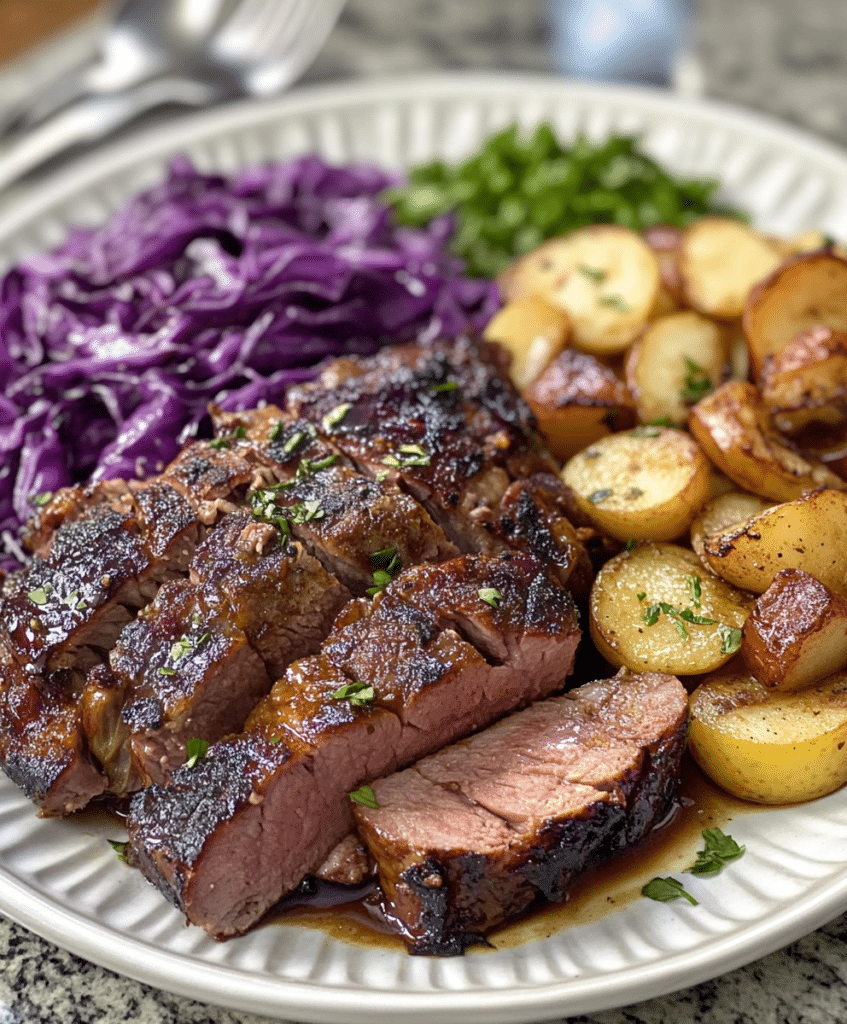
Why You’ll Love This Pan-Seared White Fish Recipe
White fish is naturally mild, which means it works beautifully with creamy sauces and fresh aromatics. Instead of hiding the flavor of the seafood, garlic, shallot, Parmesan, herbs, and lemon complement it.
This recipe is especially useful when you want something quick but polished.
You’ll love it because it is:
- Ready in about 30 minutes
- Made mostly in one skillet
- Rich, creamy, and flavorful
- Easy enough for weeknight cooking
- Elegant enough for entertaining
- Adaptable to different white fish
- Simple to customize
- Delicious with many side dishes
Once you understand the basic pan-searing technique, you can use it for many different seafood recipes.
Ingredients for Pan-Seared White Fish in Creamy White Sauce
Ingredients for the Fish
| Ingredient | Amount | Purpose |
|---|---|---|
| White fish fillets | 4 fillets | Main protein |
| Olive oil | 1 tbsp | Helps sear the fish |
| Butter | 2 tbsp | Adds richness |
| Salt | To taste | Seasons the fish |
| Black pepper | To taste | Adds mild heat |
| Paprika | ½ tsp | Adds color and flavor |
Ingredients for the Creamy White Sauce
| Ingredient | Amount | Purpose |
|---|---|---|
| Heavy cream | 1 cup | Creates the creamy base |
| Garlic | 3 cloves, minced | Adds aromatic flavor |
| Shallot | 1 small, chopped | Adds mild savory sweetness |
| Seafood or chicken stock | ½ cup | Adds depth and loosens the sauce |
| Parmesan cheese | ¼ cup, grated | Adds savory richness |
| Lemon juice | 1–2 tbsp | Balances the cream |
| Dijon mustard | 1 tsp | Adds subtle tang |
| Fresh parsley | 2 tbsp | Fresh finishing flavor |
Optional Additions
You can customize your creamy fish sauce with:
- Fresh dill
- Chives
- Capers
- Spinach
- Mushrooms
- Red pepper flakes
- Lemon zest
What Is the Best White Fish for Pan-Searing?
One advantage of this recipe is that you aren’t limited to a single variety of fish.
Choose a firm or moderately firm white fish that can withstand being flipped in a skillet.
Cod
Cod is one of the easiest choices. It has a mild flavor and flaky texture, and thicker cod fillets are particularly good for pan-searing.
Haddock
Haddock has a delicate texture and slightly stronger flavor than cod. Handle it gently because thinner fillets can break easily.
Halibut
Halibut is firm and substantial. If you’re making this dish for a special dinner, it creates an especially elegant presentation.
Snapper
Snapper has a clean, slightly sweet flavor and enough structure to work beautifully with creamy sauce.
Sea Bass
Sea bass has a tender, buttery texture that pairs naturally with lemon, garlic, and cream.
Tilapia
Tilapia is an economical option that cooks very quickly. Because the fillets are usually thin, watch them carefully to prevent overcooking.
Fresh or Frozen Fish?
Either can work.
If you’re using frozen fish, thaw it completely in the refrigerator before cooking. Then use paper towels to remove as much surface moisture as possible.
This small step makes a major difference when you’re trying to achieve a golden sear.
How to Make Best Pan-Seared White Fish Fillet Served in a Creamy White Sauce
Step 1: Prepare Your Fish
Remove the fish from its packaging and pat every fillet thoroughly dry.
Check for any remaining pin bones.
Season both sides with salt, black pepper, and paprika.
Why Should You Dry Fish Before Pan-Searing?
When wet fish enters a hot skillet, the surface moisture turns into steam.
Instead of developing a golden exterior, the fish can become pale and watery.
A dry surface gives you better contact with the skillet and better browning.
Step 2: Heat the Skillet Properly
Place a large skillet over medium-high heat.
Let it heat before adding the fish.
Add the olive oil, followed by about half of the butter.
When the butter has melted and the pan is hot, you’re ready to cook.
Using both oil and butter gives you the richness of butter while helping you manage the higher temperature needed for searing.
Step 3: Pan-Sear the White Fish
Carefully place the fillets into the skillet.
Don’t overcrowd the pan. If necessary, cook the fish in two batches.
Once the fillets touch the skillet, resist the temptation to move them constantly.
Let the first side cook for approximately 3–5 minutes, depending on thickness.
When the underside is golden and the fish releases fairly easily, carefully flip it.
Cook the second side until the center is opaque and the flesh flakes easily.
Transfer the cooked fish to a clean plate.
How Do You Keep Fish From Breaking?
Fish becomes fragile as it cooks.
For cleaner fillets:
- Use a wide, thin spatula.
- Flip only once when possible.
- Don’t force fish away from the skillet before it releases.
- Avoid overcooking.
- Choose similarly sized fillets.
Step 4: Sauté the Shallot and Garlic
Reduce the heat to medium.
Add the remaining butter.
Stir in the chopped shallot and cook until softened.
Add the minced garlic and cook briefly, just until you can smell its aroma.
Don’t Brown the Garlic Too Much
Garlic can turn bitter when burned.
Because your skillet is already hot from cooking the fish, garlic usually needs only a short cooking time.
Step 5: Deglaze the Skillet
Pour in the seafood or chicken stock.
As the liquid begins to simmer, scrape the bottom of the skillet gently.
Those golden bits left behind after searing the fish contain plenty of flavor.
Incorporating them into the sauce is one reason a one-pan preparation works so well.
Let the stock reduce slightly.
Step 6: Make the Creamy White Sauce
Reduce the heat to medium-low.
Pour in the heavy cream.
Add the Dijon mustard and stir until smooth.
Allow the mixture to come to a gentle simmer.
You want small, relaxed bubbles rather than an aggressive boil.
Cook until the sauce begins to thicken.
How Do You Make Cream Sauce Smooth?
Keep these rules in mind:
- Use moderate or low heat.
- Don’t aggressively boil the cream.
- Stir regularly.
- Add Parmesan gradually.
- Add lemon after lowering the heat.
Following these steps gives you a smoother sauce with less risk of separation.
Step 7: Add Parmesan
Gradually sprinkle the Parmesan into the sauce while stirring.
Allow each addition to melt before adding more.
Freshly grated Parmesan is preferable because it tends to melt more smoothly.
Taste the sauce before adding extra salt. Stock and Parmesan can both contribute considerable saltiness.
Step 8: Add Lemon and Fresh Herbs
Once the sauce reaches a silky consistency, reduce the heat further.
Add lemon juice gradually and taste as you go.
Stir in chopped parsley.
You can also add dill or chives.
The lemon is important because it cuts through the richness of the cream and butter, making the sauce taste brighter.
Step 9: Return the Fish to the Sauce
Place your cooked white fish back into the skillet.
Spoon some creamy sauce over each fillet.
Warm everything together for only a minute or two.
The fish is already cooked, so you don’t want to simmer it for another five or ten minutes.
Finish with fresh parsley, black pepper, or lemon zest.
Serve immediately.
Expert Tips for Perfect Pan-Seared White Fish
A few details can dramatically improve your results.
Use Fillets of Similar Thickness
This makes cooking times more predictable.
Don’t Skip Drying
Dry fish browns much better than wet fish.
Preheat Your Pan
Putting fish into a cold skillet encourages sticking and uneven cooking.
Don’t Move the Fish Constantly
Give the first side enough time to develop color.
Avoid Overcooking
White fish can go from tender to dry quickly.
Keep the Cream Sauce Gentle
High heat is unnecessary once you add the cream and cheese.
Balance Richness With Acidity
Lemon isn’t simply a garnish. Its acidity balances butter, cream, and Parmesan.
Common Mistakes to Avoid
Your Fish Sticks to the Skillet
This can happen when:
- The skillet wasn’t hot enough.
- The fish wasn’t dry.
- There wasn’t enough oil.
- You tried flipping too soon.
Your Fish Falls Apart
Delicate fish can break if it’s flipped repeatedly or cooked too long.
Handle each fillet as little as possible.
Your Sauce Is Too Thin
Continue simmering gently for a few minutes.
The sauce naturally thickens as some liquid evaporates.
Your Sauce Is Too Thick
Add a small splash of stock.
Stir until you reach your preferred consistency.
Your Cream Sauce Separates
Excessive heat is often the problem.
Keep the sauce below a vigorous boil and add acidic ingredients such as lemon toward the end.
Delicious Recipe Variations
Once you’ve mastered the basic version, you can easily change the flavor.
Garlic Parmesan White Fish
Increase the garlic and Parmesan for an especially savory sauce.
Finish with plenty of fresh parsley.
Lemon Dill Creamy Fish
Add fresh dill and lemon zest.
This combination is particularly delicious with cod, haddock, or halibut.
Creamy Spinach White Fish
After the sauce has thickened, add several handfuls of fresh baby spinach.
Let the leaves wilt into the sauce before returning the fish.
Creamy Mushroom Fish
Cook sliced mushrooms after removing the fish.
Allow them to brown before adding shallot, garlic, and stock.
Spicy Creamy White Fish
Season the fillets with Cajun seasoning or add crushed red pepper flakes to the sauce.
The gentle heat contrasts nicely with the cream.
What to Serve With Creamy White Fish
Because you have a generous pan sauce, choose at least one side that can capture it.
Best Starchy Sides
Try:
- Garlic mashed potatoes
- Steamed rice
- Lemon rice
- Pasta
- Roasted baby potatoes
- Crusty bread
Best Vegetable Sides
For freshness and color, serve your fish with:
- Roasted asparagus
- Steamed broccoli
- Green beans
- Sautéed spinach
- Brussels sprouts
- Zucchini
- Mixed green salad
A Simple Complete Dinner
For an easy balanced plate, serve one fish fillet with roasted baby potatoes and asparagus, then spoon the cream sauce over both the fish and potatoes.
Can You Make Pan-Seared White Fish Ahead?
You can prepare the sauce ahead, but the fish is best cooked shortly before serving.
Store prepared sauce in the refrigerator and reheat it gently over low heat.
If it becomes too thick, loosen it with a small amount of stock or cream.
For the best texture, pan-sear the fish fresh.
How to Store and Reheat Leftovers
Transfer cooled leftovers to an airtight container and refrigerate promptly.
Because fish is delicate, gentle reheating gives you the best results.
Best Reheating Method
Place the fish and sauce in a skillet over low heat.
Add a splash of stock or cream if necessary.
Cover and heat gently until warmed through.
You can also use a microwave at reduced power in short intervals.
Avoid prolonged high heat because it can make the fish dry and cause the cream sauce to separate.
Approximate Nutrition Information
Nutritional values vary depending on the fish and exact ingredients you use.
| Nutrient | Approximate Amount Per Serving |
|---|---|
| Calories | 380–480 kcal |
| Protein | 30–38 g |
| Carbohydrates | 5–10 g |
| Fat | 24–32 g |
| Fiber | 0–2 g |
| Sodium | Varies |
These values are general estimates and should not be considered exact nutritional calculations.
Frequently Asked Questions About Best Pan-Seared White Fish Fillet Served in a Creamy White Sauce
What fish is best for Best Pan-Seared White Fish Fillet Served in a Creamy White Sauce?
Cod, haddock, halibut, snapper, sea bass, and tilapia can all work. Firmer fillets are generally easier to pan-sear without breaking.
How long should you pan-sear white fish?
Most fillets need approximately 3–5 minutes on the first side and slightly less on the second, although thickness determines the actual cooking time.
How do you know when white fish is cooked?
The flesh should become opaque and flake easily. The FDA recommends cooking finfish to an internal temperature of 145°F (63°C).
Can you use frozen white fish?
Yes. Thaw it completely before cooking and remove excess moisture with paper towels.
Can you use milk instead of heavy cream?
You can, but the sauce won’t be as rich or thick. You may need to adjust your thickening method.
Why isn’t my fish getting golden?
Excess moisture, insufficient pan heat, or overcrowding can prevent browning.
Why did my creamy white sauce separate?
The sauce may have become too hot. Keep dairy sauces at a gentle simmer rather than a vigorous boil.
Can you add spinach to creamy white fish?
Yes. Add fresh spinach toward the end of cooking and let it wilt into the sauce.
Can you make this recipe without Parmesan?
Yes. You can omit it for a lighter cream sauce, although the finished flavor and thickness will be different.
What goes best with creamy white fish?
Mashed potatoes, rice, pasta, roasted potatoes, asparagus, broccoli, and green beans are all excellent choices.
Conclusion
This Best Pan-Seared White Fish Fillet Served in a Creamy White Sauce proves that an elegant seafood dinner doesn’t have to involve complicated preparation.
In around 30 minutes, you can put tender, flaky fish on the table with a golden exterior and a silky sauce flavored with garlic, shallot, Parmesan, herbs, and fresh lemon.
Your technique matters more than a long list of ingredients. Dry the fillets carefully, preheat your skillet, let the fish develop a proper sear before flipping, and use gentle heat when preparing the cream sauce.
From there, you can make the recipe your own. Add spinach for extra vegetables, mushrooms for earthy richness, dill and lemon for a fresher seafood flavor, or Cajun seasoning when you want something with a little more heat.
Serve your creamy white fish with mashed potatoes, rice, pasta, or roasted vegetables, and don’t forget to spoon the extra sauce over your side dish.
If you make this Best Pan-Seared White Fish Fillet Served in a Creamy White Sauce, save the recipe for your next seafood dinner and leave a comment sharing which type of fish you used. And if someone you know loves easy restaurant-style dinners, share this recipe with them so they can bring a little seafood-night elegance to their own kitchen.