
There is something deeply comforting about opening the oven and seeing a tray of golden chicken legs roasting away, their skin crisping at the edges while garlic, paprika, herbs, and warm spices fill your kitchen with an irresistible aroma. It is the kind of dinner that feels generous and satisfying without asking you to spend all evening cooking.
These Best Oven-Roasted Chicken Legs are simple enough for a busy weeknight but flavorful enough to serve when you have family or friends over. With a short ingredient list, minimal preparation, and a reliable roasting method, you can get tender dark meat and beautifully seasoned skin without complicated techniques.
The beauty of this recipe is its versatility. You can keep the seasoning classic with garlic, paprika, thyme, and oregano, or change the flavor completely with lemon, rosemary, smoked spices, honey, or chili. Serve your chicken legs with potatoes, rice, vegetables, or a crisp salad, and you have an easy homemade dinner that fits almost any occasion.
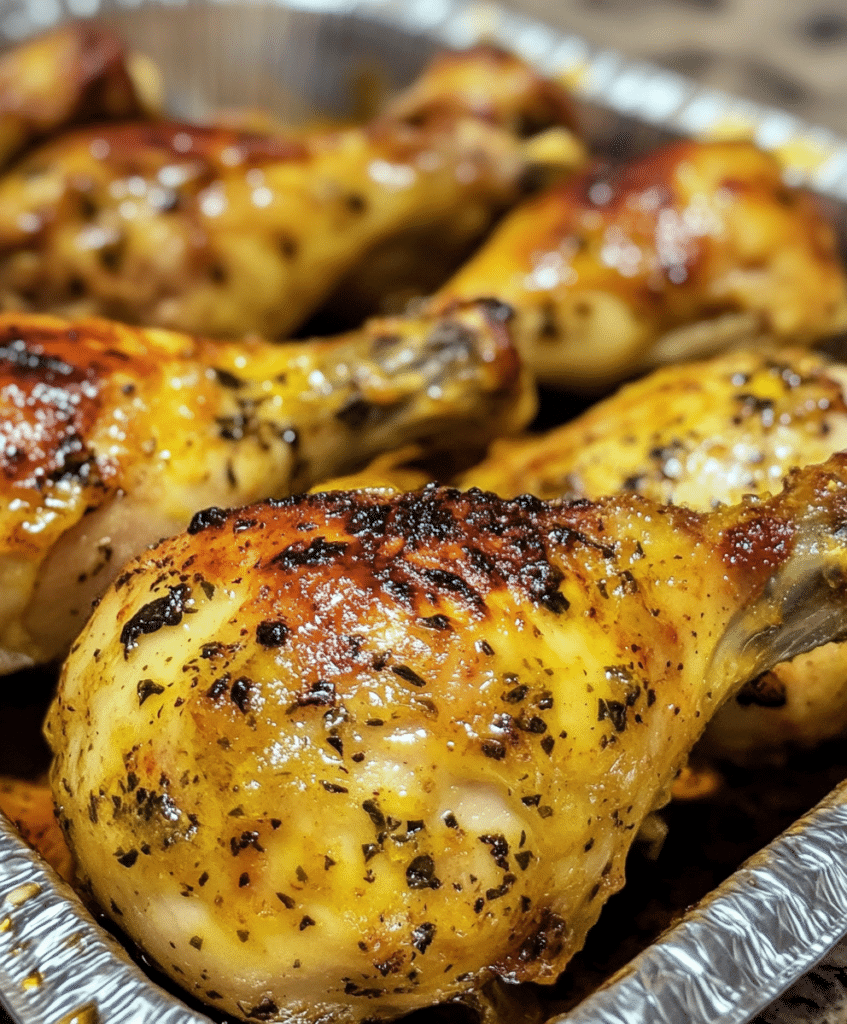
Why You’ll Love These Best Oven-Roasted Chicken Legs
Chicken legs are one of the easiest cuts of chicken to roast successfully because dark meat naturally contains more moisture than chicken breast.
That makes this recipe forgiving and ideal when you want juicy results without constant attention.
You’ll love these oven-roasted chicken legs because they are:
- Easy to prepare
- Budget-friendly
- Family-friendly
- Crispy on the outside
- Juicy on the inside
- Made with pantry seasonings
- Easy to customize
- Great for meal prep
- Perfect with many side dishes
Most of the work takes place before the pan goes into the oven. Once the chicken starts roasting, you can prepare your side dishes or simply let the oven do the rest.
What Are Oven-Roasted Chicken Legs?
Chicken legs can refer either to drumsticks alone or to whole chicken legs that include both the thigh and drumstick.
Both are excellent for roasting.
The meat contains enough fat to remain tender while the skin becomes deeply golden under high oven heat.
Whole Chicken Legs vs. Drumsticks
Whole chicken legs are larger and usually require more cooking time.
They offer:
- More meat per serving
- Rich flavor
- Juicy texture
- Attractive presentation
Drumsticks are smaller and often cook more quickly.
They are especially convenient for:
- Weeknight dinners
- Children’s meals
- Picnics
- Casual gatherings
- Meal prep
Whichever cut you choose, use pieces that are similar in size so they cook evenly.
Ingredients for Easy Oven-Roasted Chicken Legs
Main Ingredients
| Ingredient | Amount | Purpose |
|---|---|---|
| Chicken legs | 6–8 | Main protein |
| Olive oil | 2 tbsp | Helps seasoning stick and promotes browning |
| Fresh garlic | 4 cloves | Aromatic flavor |
| Lemon juice | 1 tbsp | Adds brightness |
| Fresh parsley | 2 tbsp | Finishing flavor |
Seasonings
| Ingredient | Amount | Purpose |
|---|---|---|
| Paprika | 2 tsp | Color and mild flavor |
| Garlic powder | 1 tsp | Savory depth |
| Onion powder | 1 tsp | Adds richness |
| Dried thyme | 1 tsp | Herbal flavor |
| Dried oregano | 1 tsp | Earthy aroma |
| Salt | 1 tsp | Seasons the chicken |
| Black pepper | ½ tsp | Mild heat |
| Cayenne | ¼ tsp, optional | Adds spice |
Optional Additions
You can also use:
- Smoked paprika
- Rosemary
- Dijon mustard
- Lemon zest
- Chili flakes
- Honey
- Parmesan
Choosing the Best Chicken Legs
For the best roasted chicken, look for pieces that are evenly sized and have intact skin.
If you are using skin-on chicken, the skin should cover the meat fairly evenly so it can protect the surface while roasting.
Fresh vs. Frozen Chicken
Both can work.
If you use frozen chicken legs, thaw them completely in the refrigerator before roasting.
Chicken that is still partially frozen can cook unevenly, which makes it more difficult to judge when the meat is properly cooked.
After thawing, pat the pieces thoroughly dry.
Should You Leave the Skin On?
If crispy chicken is your goal, leave the skin on.
The skin helps protect the meat from drying and provides the golden roasted exterior that makes this recipe so appealing.
What About Skinless Chicken Legs?
You can use skinless pieces, but the final texture will be different.
Without the skin, the seasoning sits directly on the meat and you lose some of the crisp exterior.
Be especially careful not to overcook skinless chicken.
How to Make Best Oven-Roasted Chicken Legs
Step 1: Preheat Your Oven
Preheat the oven to 425°F (220°C).
A hot oven helps develop better color on the skin while cooking the meat efficiently.
Line a baking sheet or roasting pan with parchment paper or foil for easier cleanup.
You can also place a wire rack over the baking sheet if you want more airflow around the chicken.
What Temperature Is Best?
Chicken legs can be roasted at several temperatures.
At 375°F, they cook gently but may not become as crisp.
At 400°F, you get a good balance between browning and even cooking.
At 425°F, you encourage stronger browning and crispier skin.
For this recipe, 425°F works especially well.
Step 2: Dry the Chicken
Use paper towels to pat every piece of chicken thoroughly dry.
This step is easy to skip, but it makes a noticeable difference.
Why Dry Chicken Before Roasting?
Moisture on the skin turns to steam.
Steam prevents the exterior from browning properly.
Drier chicken gives you:
- Better color
- Better seasoning adhesion
- Crisper skin
- Less steaming in the pan
Step 3: Make the Seasoning Mixture
In a large bowl, combine:
- Olive oil
- Minced garlic
- Paprika
- Garlic powder
- Onion powder
- Thyme
- Oregano
- Salt
- Black pepper
- Cayenne, if using
Mix until you have a loose seasoning paste.
Add the chicken legs and rub the mixture over every surface.
If possible, gently work a little seasoning under the skin without tearing it.
Step 4: Let the Chicken Rest Briefly
You can roast the chicken immediately, but letting it sit for 15 to 20 minutes allows the seasonings to settle onto the surface.
For even deeper flavor, season the chicken several hours ahead and refrigerate it.
Can You Season Chicken Legs Overnight?
Yes.
Overnight seasoning is a convenient option if you want to prepare dinner ahead.
Keep the chicken covered and refrigerated until you are ready to roast.
Step 5: Arrange the Chicken Correctly
Place the seasoned chicken legs on your baking sheet in a single layer.
Leave space between each piece.
Do not stack or crowd them.
Why Space Matters
When chicken pieces are packed tightly together, moisture becomes trapped.
That trapped moisture creates steam and can leave the skin softer.
Good spacing helps hot air circulate around the meat.
Step 6: Roast Until Golden
Place the pan in the preheated oven.
Roast for approximately 35 to 45 minutes for drumsticks or slightly longer for large whole legs.
Cooking time varies depending on:
- Size of the chicken pieces
- Whether they are bone-in
- Starting temperature
- Accuracy of your oven
- Whether you use a rack
The chicken should be deeply golden and cooked through.
How Do You Know Chicken Legs Are Done?
The safest method is to check with an instant-read thermometer.
Insert it into the thickest part of the meat without touching the bone.
Chicken is considered safely cooked once it reaches 165°F (74°C) internally.
Dark meat can often become even more tender at a slightly higher temperature.
Step 7: Broil for Extra Crispiness
If the meat is cooked but the skin needs more color, switch the oven to broil.
Broil for 1 to 3 minutes.
Watch closely.
Chicken skin can go from golden to burned quickly.
Don’t Leave the Oven
Stay nearby during broiling.
Sugary or garlic-heavy seasonings can darken especially fast.
Step 8: Rest Before Serving
Remove the chicken from the oven and let it rest for about 5 to 10 minutes.
This allows the juices to redistribute through the meat.
Finish with:
- Fresh parsley
- Lemon juice
- Lemon zest
- Extra black pepper
Serve hot.
Expert Tips for Crispy and Juicy Chicken Legs
Pat the Skin Dry
This is one of the most important steps for good browning.
Don’t Use Too Much Oil
A light coating is enough.
Excess oil can make the skin greasy rather than crisp.
Season Generously
Dark meat can handle bold seasoning.
Preheat the Oven Completely
Putting chicken into a partially heated oven delays browning.
Leave Space Between Pieces
Air circulation helps produce a better exterior.
Use a Meat Thermometer
It gives you a much more reliable indication of doneness than appearance alone.
Let the Chicken Rest
Resting helps keep the meat juicy.
Common Mistakes to Avoid
Chicken Skin Isn’t Crispy
Common causes include:
- Surface moisture
- Too much oil
- Overcrowding
- Low oven heat
- Covering the pan
Chicken Is Dry
This usually happens when it cooks too long.
Use a thermometer instead of relying only on time.
Chicken Is Brown Outside but Not Cooked Inside
Your pieces may be unusually large.
Reduce the oven temperature slightly and continue cooking until the center reaches a safe temperature.
Seasoning Burns
Fresh garlic, honey, and sugar darken quickly.
If you are making a sweet glaze, consider adding it during the final part of roasting instead of at the beginning.
Best Oven-Roasted Chicken Legs Variations
Garlic Herb Chicken Legs
Use:
- Fresh garlic
- Rosemary
- Thyme
- Parsley
- Lemon zest
This version pairs especially well with potatoes and green vegetables.
Smoky Paprika Chicken Legs
Increase the smoked paprika and add a little cumin.
You get a deeper, barbecue-inspired flavor without needing an outdoor grill.
Honey Garlic Chicken Legs
Mix:
- Honey
- Garlic
- Soy sauce
- Dijon mustard
Brush the glaze over the chicken during the final 10 to 15 minutes of roasting.
Why Add Honey Later?
Honey contains sugar, which can burn if exposed to high heat for too long.
Adding it later lets you develop a sticky glaze without scorching.
Spicy Chicken Legs
Add:
- Cayenne
- Chili powder
- Hot paprika
- Red pepper flakes
Adjust the quantity depending on how much heat you enjoy.
Lemon Herb Chicken Legs
Use:
- Lemon juice
- Lemon zest
- Garlic
- Oregano
- Thyme
Finish with parsley.
Parmesan Garlic Chicken Legs
During the final minutes, sprinkle with Parmesan and return to the oven until lightly golden.
What to Serve With Oven-Roasted Chicken Legs
Chicken legs work with almost any classic dinner side.
Potato Sides
Try:
- Garlic mashed potatoes
- Roasted baby potatoes
- Potato wedges
- Sweet potato rounds
- Scalloped potatoes
Rice and Grain Sides
Serve with:
- Steamed white rice
- Lemon rice
- Herbed rice
- Couscous
- Quinoa
Vegetable Sides
Good choices include:
- Roasted broccoli
- Green beans
- Asparagus
- Brussels sprouts
- Carrots
- Mixed roasted vegetables
Fresh Side Dishes
For something lighter, add:
- Greek salad
- Garden salad
- Cucumber tomato salad
- Coleslaw
Can You Roast Chicken Legs With Vegetables?
Yes.
This is an easy way to turn the recipe into a complete sheet-pan dinner.
You can add:
- Potatoes
- Carrots
- Onion
- Bell peppers
- Zucchini
When Should You Add Vegetables?
Dense vegetables such as potatoes and carrots generally need more time.
Cut them into smaller pieces and add them at the beginning.
Quick-cooking vegetables such as zucchini or bell peppers can go onto the tray later.
Make-Ahead Tips
Season the Chicken Early
Prepare the seasoning mixture and coat the chicken the night before.
Refrigerate until roasting time.
Prepare Vegetables Ahead
Cut potatoes, carrots, and onions earlier in the day to make dinner assembly faster.
Can You Roast Chicken Ahead?
Yes, but freshly roasted chicken gives you the best crispy skin.
If you cook it ahead, reheat it uncovered in the oven or air fryer.
Storage and Reheating
Refrigerating Leftovers
Cool leftover chicken promptly.
Transfer to an airtight container and refrigerate.
Enjoy leftovers within a few days.
Can You Freeze Roasted Chicken Legs?
Yes.
Cool the chicken completely first.
Wrap individual portions or place them in freezer-safe containers.
Thaw in the refrigerator before reheating.
Best Way to Reheat
For the best texture, use:
- Oven
- Air fryer
These methods can help restore crispness.
The microwave is faster but usually softens the skin.
Approximate Nutrition Information
Exact values depend on chicken size, skin, oil, and seasoning.
| Nutrient | Approximate Amount Per Serving |
|---|---|
| Calories | 300–400 kcal |
| Protein | 28–35 g |
| Carbohydrates | 2–5 g |
| Fat | 20–28 g |
| Fiber | 0–1 g |
| Sodium | Varies |
These figures are estimates rather than exact nutritional calculations.
Frequently Asked Questions About Best Oven-Roasted Chicken Legs
What temperature is best for Best Oven-Roasted Chicken Legs?
A temperature around 400–425°F works well when you want golden skin and juicy meat. This recipe uses 425°F for stronger browning.
How long do Best Oven-Roasted Chicken Legs take to cook?
Most drumsticks take around 35 to 45 minutes at 425°F. Larger whole chicken legs may need longer. Always confirm doneness with a thermometer.
How do you make oven-roasted chicken legs crispy?
Pat them thoroughly dry, use only a light layer of oil, roast uncovered, leave space between pieces, and use sufficiently high heat.
Should you cover chicken legs when roasting?
Not if crispy skin is your goal. Covering traps moisture and produces a softer exterior.
Do you need to flip chicken legs?
You can flip them halfway through for more even browning, but it isn’t always necessary if hot air circulates well around the pieces.
Can you roast frozen chicken legs?
It is better to thaw them completely first so they cook more evenly and the seasoning adheres properly.
Can I prepare Oven-Roasted Chicken Legs ahead?
Yes. Season them in advance and refrigerate until roasting time.
Why aren’t my chicken legs crispy?
The most common reasons are excess moisture, overcrowding, low oven temperature, or too much oil.
Can I roast potatoes with the chicken?
Absolutely. Cut them into relatively small, even pieces so they cook through at the same time.
What seasoning works best on chicken legs?
Paprika, garlic, onion powder, thyme, oregano, rosemary, lemon, black pepper, cayenne, and smoked paprika all work particularly well.
Conclusion
These Best Oven-Roasted Chicken Legs are exactly the kind of recipe you want when you need a dependable homemade dinner without complicated preparation.
A few basic seasonings transform an affordable cut of chicken into something golden, juicy, and packed with flavor. The skin becomes crisp in the hot oven while the dark meat underneath stays tender.
The method is straightforward: dry the chicken well, season it generously, leave space between each piece, roast at a high enough temperature, and use a thermometer rather than guessing when the meat is ready.
Once you have the basic recipe down, you can customize it almost endlessly. Add smoked paprika for a deeper flavor, brush on honey garlic glaze for a sticky finish, use lemon and herbs for freshness, or turn up the heat with cayenne and chili flakes.
Serve your Best Oven-Roasted Chicken Legs with roasted potatoes, rice, vegetables, or a fresh salad for an easy family dinner.
If you try this recipe, leave a comment sharing which seasoning variation you used. Save it for your next busy weeknight, and share it with someone who loves simple, crispy, oven-roasted chicken.