
Some foods don’t just feed you—they ground you. Labneh Zaatar Mana’eesh is one of those dishes. The aroma of warm flatbread baking, olive oil shimmering with za’atar, and tangy labneh softening in the heat instantly creates a sense of calm. It’s the kind of food that feels familiar even if you’re making it for the first time.
If you’ve ever wanted to recreate Middle Eastern bakery flavors at home but felt unsure where to start, this recipe is for you. You don’t need special equipment or advanced baking skills. With a soft dough, a creamy topping, and a hot oven, you can make labneh zaatar mana’eesh that tastes authentic, comforting, and deeply satisfying.
This guide walks you through every step so you understand not just how to make it—but why it works.
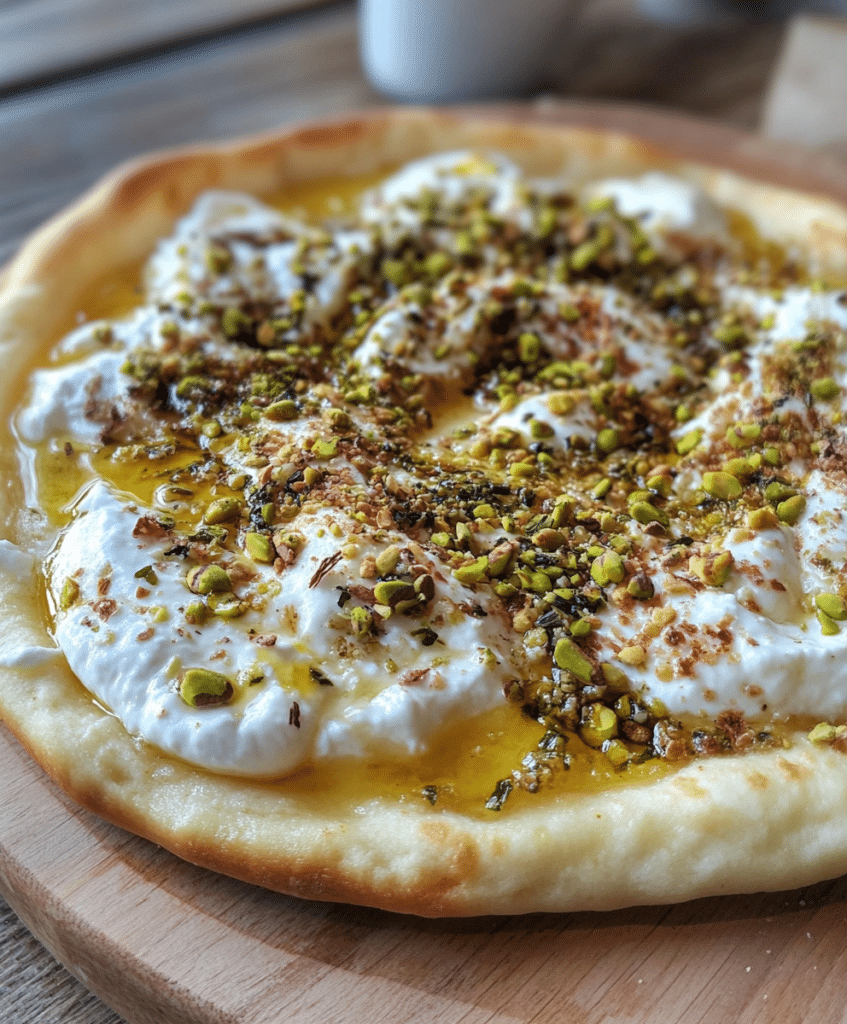
What Is Labneh Zaatar Mana’eesh?
Labneh Zaatar Mana’eesh is a popular Levantine flatbread topped with a combination of labneh (strained yogurt) and za’atar mixed with olive oil. Mana’eesh (sometimes spelled manakish or manaqeesh) is often described as the Middle Eastern answer to pizza, though its identity is firmly its own.
Traditionally, mana’eesh is eaten for breakfast or brunch, served warm and torn by hand. The dough is soft and pillowy, while the topping delivers layers of flavor—earthy za’atar, creamy labneh, and fruity olive oil.
What makes this version special is balance:
- Labneh adds tang and richness
- Za’atar brings herbal depth
- Olive oil carries flavor into the bread
- The flatbread stays soft, not dry
Why You’ll Love This Easy Labneh Zaatar Mana’eesh
This recipe fits easily into your routine while still feeling special.
Here’s why easy labneh zaatar mana’eesh works so well for you:
- Minimal ingredients with maximum flavor
- Soft dough that’s forgiving and easy to handle
- Perfect for breakfast, brunch, or light meals
- Easily customized with toppings
- Freezer-friendly and make-ahead ready
Once you make it once, it quickly becomes something you crave.
Ingredients for Labneh Zaatar Mana’eesh
Quality ingredients matter here, especially olive oil and za’atar.
Ingredient Table – Dough
| Ingredient | Quantity | Notes |
|---|---|---|
| All-purpose flour | 3 cups | Bread flour optional |
| Warm water | 1 cup | Lukewarm, not hot |
| Active dry yeast | 2 tsp | |
| Sugar | 1 tsp | Activates yeast |
| Olive oil | 2 tbsp | Extra virgin |
| Salt | 1 tsp |
Ingredient Table – Labneh Zaatar Topping
| Ingredient | Quantity | Notes |
|---|---|---|
| Labneh | 1 cup | Thick, strained yogurt |
| Za’atar | 3 tbsp | Adjust to taste |
| Olive oil | 3–4 tbsp | Extra virgin |
| Salt | Pinch | Optional |
Ingredient tip: If your labneh seems loose, strain it briefly using a cloth or paper towel for a thicker consistency.
How to Make Easy Labneh Zaatar Mana’eesh
This recipe follows a relaxed rhythm. Let the dough do the work.
Step-by-Step Instructions
- Activate the yeast
Mix warm water, sugar, and yeast. Let sit until foamy. - Make the dough
Add flour, salt, and olive oil. Mix until a soft dough forms. - Knead gently
Knead for 6–8 minutes until smooth and elastic. - Let the dough rise
Cover and rest until doubled in size, about 1 hour. - Divide and shape
Divide dough into portions and flatten into small rounds. - Prepare the topping
Mix labneh, za’atar, and olive oil until spreadable. - Top the dough
Spread a thin layer of topping, leaving edges clear. - Bake
Bake in a hot oven until puffed and lightly golden. - Serve warm
Enjoy immediately for best texture and flavor.
Dough and Baking Tips
- Dough should feel soft, not stiff
- Don’t overload with topping
- Bake on a preheated surface if possible
These small details keep the flatbread light and tender.
The Role of Labneh in Labneh Zaatar Mana’eesh
Labneh isn’t just an add-on—it’s essential.
Why Labneh Works So Well
- Adds tangy creaminess
- Softens the intensity of za’atar
- Keeps flatbread moist during baking
Unlike regular yogurt, labneh holds its structure and doesn’t weep moisture.
What Is Za’atar and Why It Matters
Za’atar is a blend, not a single spice. It typically includes dried thyme, sesame seeds, sumac, and salt.
Za’atar Flavor Profile
- Earthy and herbal
- Nutty from sesame
- Slightly tangy from sumac
Choosing Good Za’atar
- Fresh aroma
- Balanced color (not dull or gray)
- Lightly toasted sesame seeds
Good za’atar transforms simple dough into something memorable.
Baking Methods for Labneh Zaatar Mana’eesh
You have options depending on your setup.
Oven Method
- Most accessible
- Consistent heat
- Ideal for batches
Pizza Stone or Steel
- Crispier base
- Faster bake
- Bakery-style result
Skillet Method
- Works without an oven
- Slightly softer texture
All methods work if heat is high and timing is right.
Flavor Variations for Labneh Zaatar Mana’eesh
Once you master the base, variations keep things interesting.
Topping Add-Ins
- Sliced olives
- Cherry tomatoes
- Chili flakes
Cheese Options
- Akkawi
- Mozzarella
- Small amounts of feta
Keep additions light so the bread stays balanced.
How to Serve Labneh Zaatar Mana’eesh
This dish adapts beautifully to different moments.
Serving Ideas
- Breakfast with tea or coffee
- Brunch platter with vegetables
- Light lunch with salad
Side Pairings
- Cucumbers and tomatoes
- Olives
- Fresh herbs
Serve warm for best texture.
Storage, Reheating, and Make-Ahead Tips
Mana’eesh fits well into busy schedules.
Storage
- Store cooled flatbreads in airtight container
- Refrigerate up to 3 days
Reheating
- Reheat in oven or skillet
- Avoid microwave for best texture
Make-Ahead Advice
- Prepare dough a day early
- Freeze baked mana’eesh and reheat
Common Mistakes to Avoid
Avoid these to keep your mana’eesh tender and flavorful:
- Overbaking
- Using watery labneh
- Too much topping
- Skipping dough rest
Each step supports texture and flavor.
FAQs About Labneh Zaatar Mana’eesh
What is Labneh Zaatar Mana’eesh traditionally eaten for?
It’s commonly eaten for breakfast or brunch, but works any time of day.
Can Labneh Zaatar Mana’eesh be made ahead of time?
Yes. Bake ahead and reheat gently before serving.
Is Labneh Zaatar Mana’eesh freezer-friendly?
Yes. Freeze baked flatbreads and reheat in the oven.
What dough works best for Labneh Zaatar Mana’eesh?
A soft yeast dough produces the best texture.
Can Labneh Zaatar Mana’eesh be made without yeast?
Yes, but the texture will be denser and less traditional.
Conclusion: Simple Food with Deep Roots
Labneh Zaatar Mana’eesh proves that great food doesn’t need complexity. With soft dough, creamy labneh, and aromatic za’atar, you create something that feels comforting, meaningful, and satisfying. It’s a recipe that invites you to slow down and enjoy the process as much as the result.
Now it’s your turn. Make a batch, share it warm, and let it become part of your routine. If this guide helped you, save it, share it, or leave a comment with how you enjoyed your labneh zaatar mana’eesh. Simple food is always better when it’s shared.