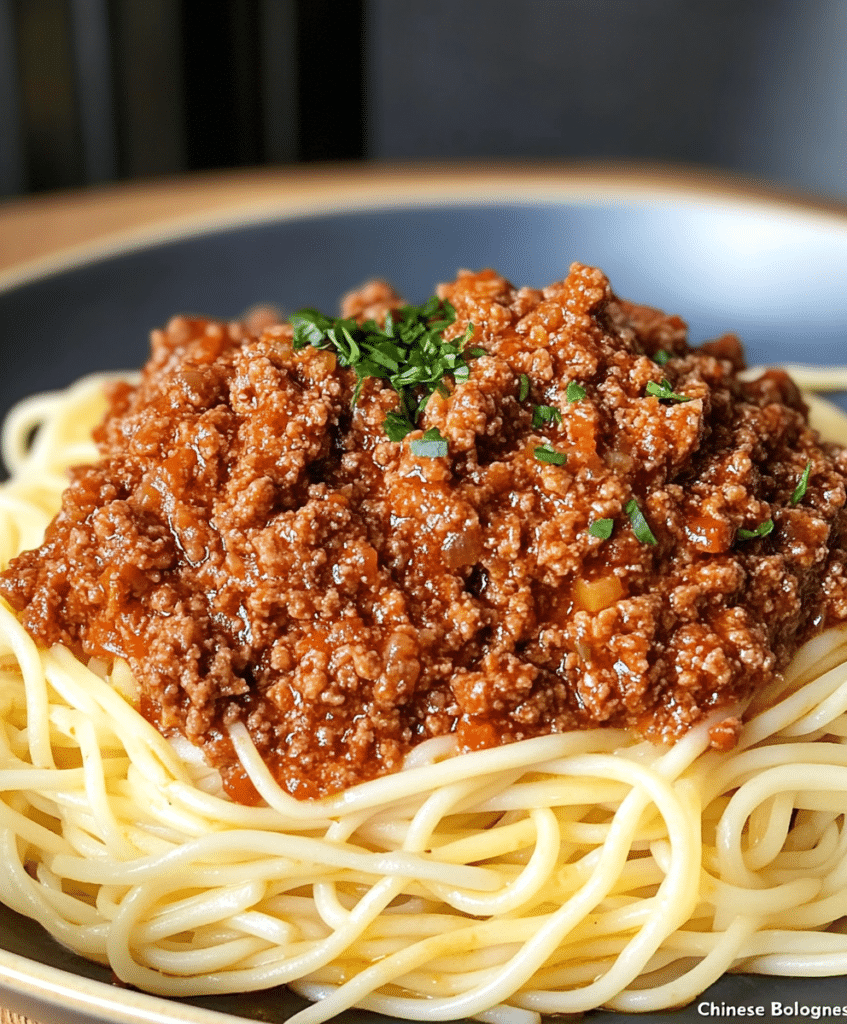
When you are craving a bowl of noodles that feels rich, comforting, and packed with savory flavor, Best Chinese Bolognese (Zha Jiang Mian) is hard to beat. Chewy noodles are topped with a deeply seasoned meat and fermented bean sauce, then balanced with cool, crisp vegetables such as cucumber, carrots, and scallions.
The dish is sometimes nicknamed Chinese Bolognese because both Zha Jiang Mian and Italian Bolognese pair noodles with a hearty meat sauce. Beyond that visual similarity, however, they are very different dishes. Zha Jiang Mian has its own Chinese culinary identity, using fermented bean pastes rather than tomatoes as the foundation of its bold flavor.
What makes this meal so satisfying is the contrast. You have warm, salty-sweet meat sauce coating springy noodles while crisp cucumber and other fresh vegetables add brightness. Once everything is mixed together, each bite carries a little richness, freshness, chewiness, and crunch.
You can make your Zha Jiang Mian with pork for a more traditional-style preparation or use ground beef for an easy variation. You can also adjust the vegetables, sweetness, heat, and noodle type to suit what you already have at home.
What Is Chinese Bolognese (Zha Jiang Mian)?
Zha Jiang Mian is a Chinese noodle dish built around wheat noodles and a thick, savory sauce made with meat and fermented bean paste.
The name is commonly translated along the lines of “fried sauce noodles.” Rather than referring to deep-frying, the preparation involves cooking the fermented bean sauce in oil with meat and aromatics until the mixture becomes rich and concentrated.
The finished sauce is spooned over noodles and commonly accompanied by fresh vegetables.
Depending on the version, you might find toppings such as:
- Cucumber
- Carrot
- Bean sprouts
- Radish
- Scallions
- Other crisp seasonal vegetables
What Does Zha Jiang Mian Taste Like?
The defining flavor is intensely savory and fermented.
You can expect notes that are:
- Salty
- Umami-rich
- Slightly sweet
- Aromatic
- Meaty
- Deeply savory
Fresh vegetables are important because they provide contrast against such a concentrated sauce.
Why Is It Called Chinese Bolognese?
“Chinese Bolognese” is an informal nickname rather than the traditional name of the dish.
The comparison makes sense visually: both involve noodles topped with meat sauce. But Italian Bolognese and Zha Jiang Mian use completely different seasonings, sauces, and preparation techniques.
If you want to describe the dish accurately on your table, Zha Jiang Mian is the name to remember.
Why You’ll Love This Best Chinese Bolognese (Zha Jiang Mian)
This recipe gives you a comforting noodle dinner without requiring hours of simmering.
You will love it because it is:
- Deeply savory
- Easy to prepare
- Satisfying without being complicated
- Packed with contrasting textures
- Customizable with different vegetables
- Delicious with pork or beef
- Easy to make spicy
- Suitable for meal prep
- Excellent for noodle lovers
Another advantage is that the meat sauce can be prepared ahead. When you are ready to eat, simply cook fresh noodles, reheat the sauce, prepare your vegetables, and assemble the bowls.
Ingredients for Chinese Bolognese (Zha Jiang Mian)
Meat Sauce Ingredients
| Ingredient | Amount | Purpose |
|---|---|---|
| Ground or finely diced pork | 1 lb | Main protein |
| Neutral cooking oil | 1–2 tbsp | Frying |
| Garlic | 3 cloves, minced | Savory aroma |
| Fresh ginger | 1 tbsp, minced | Warm aromatic flavor |
| Green onions | 3 | Fresh onion flavor |
| Shaoxing wine | 1 tbsp | Aromatic depth |
| Sugar | 1–2 tsp | Balances salty paste |
| Water or stock | ½ cup | Adjusts consistency |
Fermented Sauce Ingredients
| Ingredient | Amount | Purpose |
|---|---|---|
| Tianmianjiang or sweet bean sauce | 3 tbsp | Sweet-savory fermented base |
| Fermented soybean paste | 2 tbsp | Deep umami flavor |
| Soy sauce | 1 tbsp | Seasoning |
| Dark soy sauce | 1 tsp, optional | Darker color |
Noodles and Fresh Toppings
| Ingredient | Amount | Purpose |
|---|---|---|
| Fresh wheat noodles | 12–16 oz | Noodle base |
| Cucumber | 1 large | Cool crunch |
| Carrot | 1 large | Sweetness and texture |
| Bean sprouts | 1 cup | Crispness |
| Green onions | 2 | Fresh garnish |
| Radish | Optional | Peppery crunch |
Understanding the Fermented Bean Sauce
The fermented sauce is what separates Zha Jiang Mian from an ordinary bowl of noodles with ground meat.
Tianmianjiang
Tianmianjiang is a thick, dark, sweet-savory fermented sauce frequently associated with Chinese cooking.
It contributes sweetness, color, and fermented complexity.
Fermented Soybean Paste
A savory soybean paste can provide stronger saltiness and additional umami.
Different products vary considerably in concentration, which means tasting your sauce is important.
Don’t Automatically Add More Salt
Between fermented bean paste and soy sauce, your meat sauce may already contain enough salt.
Taste before seasoning further.
The completed sauce should be intense because it will eventually be distributed across a full bowl of relatively plain noodles and fresh vegetables.
Choosing the Best Meat for Zha Jiang Mian
Ground Pork
Pork is an excellent choice because its natural richness works well with fermented bean sauce.
Ground pork also cooks quickly and is convenient for home cooks.
Finely Diced Pork
If you want more texture, use pork shoulder or another suitable cut and dice it finely.
You will get distinct little pieces of meat rather than a completely uniform ground-meat sauce.
Can You Use Ground Beef?
Absolutely.
Ground beef creates a rich variation and makes the “Chinese Bolognese” nickname feel especially fitting.
Choose beef with enough fat to remain flavorful without making the finished sauce excessively greasy.
Can You Use Chicken or Turkey?
Yes.
Both are leaner alternatives, although their flavor is milder.
You may need a little extra cooking oil if your meat is extremely lean.
Best Noodles for Chinese Bolognese
Fresh Wheat Noodles
Fresh wheat noodles are one of the best options.
Their chewy texture holds up beautifully against the thick meat sauce.
Dried Wheat Noodles
These are convenient to keep in your pantry and work well when fresh noodles aren’t available.
Chinese Egg Noodles
They give the bowl additional richness and a pleasantly springy texture.
Can You Use Udon?
Yes.
Udon makes the dish thicker and chewier, though the final texture differs from more traditional wheat noodles.
Can You Use Spaghetti?
If that is what you have, yes.
Spaghetti won’t reproduce the exact character of Chinese wheat noodles, but it provides a practical substitute for an easy weeknight version.
How to Make Best Chinese Bolognese (Zha Jiang Mian)
Step 1: Prepare the Fresh Vegetables
Before starting your sauce, prepare your toppings.
Julienne the cucumber and carrot into thin strips.
Slice the scallions.
Rinse the bean sprouts and drain thoroughly.
If using radish, cut it into thin matchsticks.
Keep everything chilled until serving.
Why Prepare Your Toppings First?
Once you start cooking the sauce, things move quickly.
Having vegetables ready means you can assemble the bowls as soon as the noodles finish cooking.
Step 2: Make the Sauce Mixture
In a small bowl, combine:
- Tianmianjiang
- Fermented soybean paste
- Soy sauce
- Sugar
- Water or stock
Stir until reasonably smooth.
Adjusting for Different Bean Pastes
Fermented sauces vary by brand.
One may be very salty while another is noticeably sweeter.
Treat the amounts as a starting point and adjust after tasting.
Step 3: Cook the Aromatics
Heat neutral oil in a large skillet or wok over medium heat.
Add the white portions of the scallions along with ginger.
Cook briefly until fragrant.
Add the garlic and stir for another 20 to 30 seconds.
Why Add Garlic Later?
Garlic burns faster than scallions and ginger.
Burned garlic makes your sauce bitter, so give it less time in the hot pan.
Step 4: Brown the Meat
Add the pork or beef.
Break it apart with your spatula.
Cook until the meat loses its raw color and begins developing browned spots.
Allow excess moisture to evaporate.
Why Browning Matters
Browning creates deeper flavor.
If you immediately add liquid while the meat is still releasing water, you end up simmering it rather than developing those savory browned notes.
Be patient and let some color develop.
Step 5: Add Shaoxing Wine
Pour the Shaoxing wine around the hot edge of the skillet.
Stir immediately.
Let it cook briefly so its aroma becomes integrated into the meat.
What If You Don’t Have Shaoxing Wine?
You can use an appropriate cooking-wine substitute or omit it if necessary.
The sauce will still work, although its aroma will be slightly different.
Step 6: Add the Fermented Bean Mixture
Pour your prepared bean sauce into the meat.
Stir carefully until everything is evenly coated.
Cook for another minute or two.
Why Cook the Paste?
Briefly cooking fermented bean paste with the meat allows its flavor to become deeper and more integrated.
The sauce should become noticeably aromatic.
Step 7: Simmer Until Rich and Glossy
Add a little more water or stock if necessary.
Reduce the heat and let the sauce simmer gently.
You want it to become thick enough to cling to noodles.
The meat should be tender and the sauce should look glossy rather than watery.
What Should Zha Jiang Sauce Look Like?
It should be thick and spoonable.
Think of it as a concentrated noodle topping rather than a broth.
If it is too watery, continue simmering uncovered.
If it becomes too thick, add a small splash of water.
Step 8: Cook the Noodles
Bring a large pot of water to a boil.
Cook your noodles according to package instructions.
Avoid overcooking them.
They should remain pleasantly chewy.
Drain thoroughly.
Should You Rinse the Noodles?
This depends on the noodle type and how you prefer serving them.
Some Chinese wheat noodles can be briefly rinsed to remove excess surface starch and produce a springier texture.
If you’re using another noodle variety, follow its package instructions.
Step 9: Assemble the Zha Jiang Mian
Divide the noodles among serving bowls.
Spoon a generous amount of meat sauce over each portion.
Arrange fresh toppings around or over the sauce:
- Cucumber
- Carrots
- Bean sprouts
- Scallions
- Radish
Serve immediately.
Don’t Forget to Mix It
One of the pleasures of eating Zha Jiang Mian is mixing everything together.
Toss the sauce through the noodles until they are evenly coated, incorporating the vegetables as you go.
That way you get hot savory sauce and crisp vegetables together in every bite.
Expert Tips for the Best Zha Jiang Mian
For better results:
- Choose a flavorful fermented bean paste.
- Taste your sauces before adding extra salt.
- Brown the meat well.
- Prepare toppings before starting the sauce.
- Slice fresh vegetables thinly.
- Keep cucumber and other raw toppings cold.
- Don’t overcook the noodles.
- Keep the meat sauce fairly thick.
- Adjust sweetness carefully.
- Mix everything thoroughly before eating.
Common Mistakes to Avoid
Your Zha Jiang Sauce Is Too Salty
Fermented pastes can be intensely salty.
If you’ve gone too far, try adding:
- A little water
- More cooked meat
- Additional noodles
- More fresh vegetables
A small amount of sugar may also help balance the flavor, though it doesn’t literally remove sodium.
Your Sauce Is Too Thin
Continue simmering uncovered.
Remember that this sauce should cling to noodles rather than pool like soup at the bottom of the bowl.
Your Meat Sauce Tastes Flat
Possible causes include:
- Meat wasn’t browned
- Not enough aromatics
- Bean paste lacks depth
- Sauce wasn’t cooked long enough
Garlic, ginger, scallions, and properly browned meat all contribute to complexity.
Your Noodles Are Mushy
Noodles usually become mushy because they were cooked too long.
Start tasting them before the maximum package cooking time.
Best Chinese Bolognese Variations
Beef Zha Jiang Mian
Use ground beef instead of pork.
Brown it thoroughly and drain excessive rendered fat before adding your sauce.
Spicy Zha Jiang Mian
Add:
- Chili oil
- Chili crisp
- Fresh chili
- Chili garlic sauce
You can serve the chili separately so everyone chooses their own heat level.
Mushroom Zha Jiang Mian
Finely chop mushrooms and cook them with the meat.
Mushrooms add extra savory depth while stretching the meat further.
Vegetarian Zha Jiang Mian
Replace meat with a mixture of:
- Firm tofu
- Mushrooms
- Eggplant
Make sure your fermented sauces meet your dietary preferences.
Extra-Vegetable Zha Jiang Mian
Load your bowl with:
- Cucumber
- Carrots
- Bean sprouts
- Radish
- Cabbage
This makes the rich sauce feel even more balanced.
What to Serve With Zha Jiang Mian
The noodles are already a substantial meal, so simple side dishes work best.
Try:
- Smashed cucumber salad
- Steamed bok choy
- Pickled vegetables
- Edamame
- Vegetable dumplings
- Light vegetable soup
Does Zha Jiang Mian Need a Side?
Not necessarily.
The noodles, meat sauce, and fresh vegetables already create a satisfying meal.
If you add anything, something crisp or refreshing provides the best contrast.
Make-Ahead Tips
Zha Jiang Mian is surprisingly convenient for preparing ahead.
Make the Meat Sauce Early
Cook the complete meat sauce and refrigerate it once cooled.
Reheat gently before serving.
Prepare the Vegetables
Slice cucumber, carrots, and radish ahead and store them in airtight containers.
What About the Noodles?
Freshly cooked noodles give you the best texture.
If possible, cook them just before serving.
Best Make-Ahead Strategy
Prepare ahead:
- Meat sauce
- Vegetables
- Garnishes
Then cook your noodles immediately before assembling your bowls.
Meal Prep Chinese Bolognese
If you are making lunches for several days, keep the components separate.
Place the meat sauce in one container and the noodles in another if possible.
Keep raw vegetables especially separate so they remain crisp.
When you’re ready to eat:
- Reheat the meat sauce.
- Warm or refresh the noodles.
- Add cold vegetables.
- Mix.
This gives you much better texture than storing the fully assembled dish together.
Storage and Reheating
Store leftover meat sauce in an airtight container in the refrigerator.
Keep noodles and fresh toppings separate whenever possible.
How to Reheat the Sauce
Warm it gently in:
- A skillet
- Small saucepan
- Microwave
If the sauce has become very thick, stir in a small splash of water.
Why Keep Vegetables Separate?
Raw cucumber and bean sprouts lose their crisp texture when stored in warm, salty sauce.
Adding them fresh after reheating keeps the bowl far more enjoyable.
Can You Freeze Zha Jiang Sauce?
Yes.
The meat sauce is the most freezer-friendly component of the dish.
Cool it completely, portion into freezer-safe containers, and freeze.
When you want to serve it, thaw safely and reheat until hot.
Prepare fresh noodles and vegetables separately.
This gives you better texture than freezing the entire assembled bowl.
Approximate Nutrition Information
Exact values depend on meat, bean paste, noodles, oil, and serving size.
| Nutrient | Approximate Amount Per Serving |
|---|---|
| Calories | 500–650 kcal |
| Protein | 25–35 g |
| Carbohydrates | 55–70 g |
| Fat | 20–30 g |
| Fiber | 4–7 g |
| Sodium | Varies |
Because fermented bean pastes and soy sauce can contain significant sodium, the exact amount varies considerably between brands.
Frequently Asked Questions About Best Chinese Bolognese (Zha Jiang Mian)
What is Best Chinese Bolognese (Zha Jiang Mian)?
Zha Jiang Mian is a Chinese noodle dish featuring wheat noodles topped with a rich meat and fermented bean sauce and served with fresh vegetable garnishes.
Is Zha Jiang Mian Really Chinese Bolognese?
Not literally. “Chinese Bolognese” is a convenient English-language comparison because both dishes pair noodles with meat sauce. Their culinary traditions and flavor profiles are very different.
What Meat Is Best for Zha Jiang Mian?
Pork is a classic choice and provides excellent richness. Ground beef works very well for an easy alternative.
What Bean Paste Should You Use?
Tianmianjiang, sweet bean sauce, and suitable fermented soybean pastes are common choices depending on the version you are preparing.
Can You Make Best Chinese Bolognese (Zha Jiang Mian) Ahead?
Yes. The meat sauce is especially suitable for preparing ahead. Cook fresh noodles and add fresh vegetables shortly before serving.
What Noodles Work Best?
Fresh Chinese wheat noodles are an excellent option. Dried wheat noodles, egg noodles, or other chewy noodles can also work.
Can You Make Zha Jiang Mian Vegetarian?
Yes. Replace the meat with firm tofu, mushrooms, eggplant, or a combination of these ingredients.
How Do You Fix Zha Jiang Sauce That Is Too Salty?
Dilute it with a little water and balance the finished serving with additional noodles, meat, or vegetables.
Is Zha Jiang Mian Spicy?
It doesn’t have to be. You can keep it mild or add chili oil, chili crisp, or fresh chili when you want heat.
Can You Freeze Zha Jiang Mian?
The meat sauce freezes better than the complete dish. Freeze the sauce separately and prepare fresh noodles and vegetables when you’re ready to eat.
Conclusion: A Savory Noodle Bowl Worth Adding to Your Dinner Rotation
The Best Chinese Bolognese (Zha Jiang Mian) brings together chewy noodles, deeply savory meat sauce, fermented bean flavor, and crisp fresh vegetables in a bowl that feels comforting without becoming one-dimensional.
The secret is contrast.
Your meat sauce should be rich and concentrated, while the cucumber, carrots, bean sprouts, and scallions stay fresh and crisp. Once you mix everything together, those different flavors and textures create the signature experience of the dish.
You can start with pork for a more classic-style preparation or use ground beef for an easy Chinese Bolognese variation. Add chili crisp if you enjoy heat, mushrooms for extra savory flavor, or tofu and vegetables for a meat-free option.
Whatever version you choose, remember the essentials: brown your meat properly, use fermented bean paste for the characteristic flavor, avoid oversalting the sauce, keep the noodles pleasantly chewy, and don’t skip the fresh vegetable toppings.
Make this Best Chinese Bolognese (Zha Jiang Mian) the next time you’re craving an easy noodle dinner with deep savory flavor. If you try it, leave a comment sharing whether you chose pork, beef, or a vegetarian variation, save the recipe for your next noodle night, and share it with someone who loves discovering comforting noodle dishes.