
Some cookies are memorable because they are elaborate. Others stay with you because they are wonderfully simple. Best Classic Butter Snow Cookies belong to the second group. With their delicate buttery centers and thick coating of powdered sugar, these little cookies look like tiny snowballs and bring an unmistakably cozy feeling to a holiday table.
You don’t need fancy decorating skills or unusual ingredients to make them. A straightforward dough made with butter, flour, powdered sugar, and vanilla creates a tender cookie that practically melts when you bite into it. Add finely chopped pecans or walnuts if you enjoy a nutty crunch, then roll the baked cookies in confectioners’ sugar for their signature snowy finish.
These Easy Classic Butter Snow Cookies are especially useful during the holidays because you can prepare them ahead, package them for gifts, or add them to a mixed Christmas cookie platter. Better yet, the recipe is adaptable enough for lemon, almond, orange, cinnamon, and chocolate variations.
If you’re looking for an easy Christmas cookie that delivers rich flavor without elaborate icing, this recipe deserves a place on your baking list.
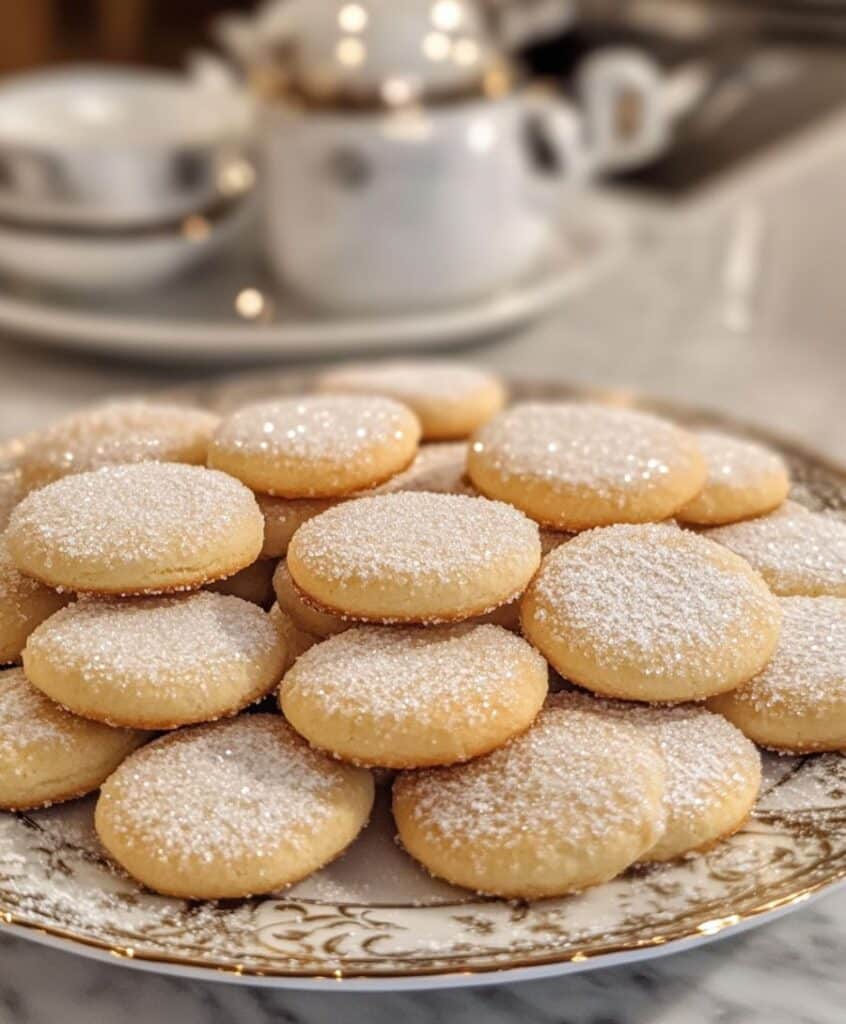
What Are Classic Butter Snow Cookies?
Butter snow cookies are small, tender butter cookies generously coated in powdered sugar. Depending on the recipe and family tradition, they may also contain finely chopped pecans, walnuts, or almonds.
They are often round, which gives them their familiar snowball appearance.
A classic version usually contains:
- Butter
- Powdered sugar
- All-purpose flour
- Vanilla
- Salt
- Finely chopped nuts, optionally
- Extra powdered sugar for coating
The texture sits somewhere between shortbread and a delicate nut cookie. You aren’t looking for a chewy center or crisp caramelized edge. Instead, your goal is a tender, crumbly bite with a rich butter flavor.
Why Are They Called Snow Cookies?
The name comes primarily from their appearance.
Once baked, the cookies are rolled generously in powdered sugar. A second coating after cooling produces a bright white exterior resembling fresh snow.
You’ll also find similar cookies described as snowball cookies, butterballs, or powdered sugar cookies.
Recipes vary, so the names aren’t always interchangeable, but they generally describe the same style of delicate, sugar-coated cookie.
Why You’ll Love These Best Classic Butter Snow Cookies
This recipe works particularly well for holiday baking because it combines simplicity with an attractive presentation.
You get:
- A rich butter flavor
- Tender, crumbly centers
- A melt-in-your-mouth texture
- Simple pantry ingredients
- Easy preparation
- No icing or complicated decorating
- A beautiful snowy appearance
- Plenty of flavor variations
- Make-ahead convenience
- A cookie suitable for gifting
The dough also contains no complicated filling or multiple components. Once you’ve mixed it, you simply shape, bake, and coat.
Ingredients for Best Classic Butter Snow Cookies
The ingredient list is short, which means every ingredient plays an important role.
| Ingredient | Amount | Purpose |
|---|---|---|
| Unsalted butter, softened | 1 cup | Creates richness and tenderness |
| Powdered sugar | ½ cup | Sweetens the cookie dough |
| Vanilla extract | 2 tsp | Adds warm vanilla flavor |
| All-purpose flour | 2¼ cups | Gives the cookies structure |
| Fine salt | ¼ tsp | Balances the sweetness |
| Finely chopped pecans or walnuts | ¾ cup, optional | Adds nutty flavor and texture |
| Powdered sugar for coating | 1–1½ cups | Creates the snowy exterior |
This recipe makes approximately 28–32 cookies, depending on how large you shape them.
Why Butter Is So Important
Butter is the foundation of the recipe rather than simply another ingredient.
It provides flavor, richness, and the characteristic tender texture.
USDA information notes that butter must contain at least 80% butterfat under U.S. standards. (My Market News)
Unsalted or Salted Butter?
Unsalted butter is convenient because you control exactly how much salt goes into your dough.
If salted butter is what you have, you can still use it. Simply reduce or omit the additional salt according to taste.
Your Butter Should Be Soft, Not Melted
This distinction matters.
Softened butter should give slightly when pressed but shouldn’t be oily or liquid.
Melted butter changes the structure of the dough and may encourage the cookies to spread instead of maintaining their compact round shape.
Why Use Powdered Sugar?
Powdered sugar serves two purposes.
First, it sweetens the dough while contributing to its delicate character.
Second, it creates the unmistakable snow-covered exterior.
Don’t automatically substitute granulated sugar for the powdered sugar in the dough. The two sugars have different textures and behave differently during mixing and baking.
Should Butter Snow Cookies Contain Nuts?
Nuts are optional, but they’re common in snowball-style cookies.
Pecans
Pecans have a naturally buttery flavor that complements the dough beautifully.
For even deeper flavor, lightly toast them before adding them to your mixture.
Walnuts
Walnuts provide a stronger, earthier flavor and a slightly more noticeable texture.
Almonds
Finely chopped almonds create a more delicate nutty variation.
A tiny amount of almond extract can reinforce that flavor.
Nut-Free Snow Cookies
You can also make your butter snow cookies without nuts.
Simply leave them out. Your cookies will have a smoother interior and a more pronounced butter-and-vanilla flavor.
How to Make Best Classic Butter Snow Cookies
Once your ingredients are measured, the process is straightforward.
Step 1: Prepare Your Oven
Preheat your oven to 350°F (175°C).
Line one or two baking sheets with parchment paper.
Parchment helps prevent sticking and makes cleanup easier.
Step 2: Cream Butter and Powdered Sugar
Place your softened butter and ½ cup powdered sugar into a large mixing bowl.
Beat with an electric mixer until creamy and well combined.
You don’t need to beat the mixture for an excessive amount of time. You’re looking for a smooth, cohesive base rather than maximum aeration.
Step 3: Add Vanilla
Pour in the vanilla extract.
Mix briefly until evenly incorporated.
At this point, your kitchen should already have that familiar butter-and-vanilla baking aroma.
Step 4: Add Flour and Salt
Combine the flour and salt.
Gradually add them to the butter mixture.
Mix on low speed or stir by hand until the dough comes together.
Don’t Overmix
Once you can no longer see obvious streaks of dry flour, stop mixing.
Excessive mixing can work against the tender texture you’re trying to create.
Step 5: Add the Nuts
If you’re making pecan, walnut, or almond snow cookies, gently fold your finely chopped nuts into the dough.
The pieces should be small.
Large nut chunks can make these delicate cookies harder to shape and more likely to crack.
Step 6: Check Your Dough
Your finished dough should be soft enough to roll but firm enough to hold a ball shape.
If it feels very soft or greasy, cover it and refrigerate for approximately 20–30 minutes.
This can be particularly useful when your kitchen is warm.
Step 7: Shape the Cookies
Scoop small portions of dough and roll them gently between your palms.
Aim for approximately 1-inch balls.
Place them on your prepared baking sheets with a little space between each cookie.
Keep Them Similar in Size
Uniform cookies bake more evenly.
If some are twice as large as others, the smaller ones may overbake before the larger ones are ready.
Step 8: Bake
Bake for approximately 11–14 minutes, depending on your oven and cookie size.
Look for cookies that:
- Appear set
- Remain fairly pale on top
- Have lightly golden bottoms or edges
These aren’t cookies that should become deeply brown.
Don’t Overbake
Overbaking is one of the easiest ways to lose the delicate texture.
Take them out once they are set and just beginning to color underneath.
The Secret to the Perfect Powdered Sugar Coating
The snowy exterior deserves its own technique.
For the prettiest cookies, use two coatings.
First Coating: While Slightly Warm
Allow the cookies to rest on the baking sheet for several minutes.
You don’t want them piping hot because they are fragile at this stage.
Once they’re warm enough to handle carefully, roll each cookie in powdered sugar.
Place them on a wire rack.
The warmth helps the first coating cling to the surface.
Second Coating: After Cooling
Allow the cookies to cool completely.
Roll them through powdered sugar again.
This second coating produces the thick, white finish that gives Classic Butter Snow Cookies their beautiful appearance.
If you’re serving them for Christmas, you can add a very light final dusting immediately before putting them on the cookie tray.
Expert Tips for Melt-in-Your-Mouth Butter Snow Cookies
Small details make a significant difference with a recipe this simple.
Keep these tips in mind:
- Measure your flour carefully.
- Don’t pack flour tightly into measuring cups.
- Use softened rather than melted butter.
- Choose good-quality vanilla.
- Chop nuts finely.
- Cool toasted nuts before adding them.
- Don’t overmix once the flour is added.
- Chill excessively soft dough.
- Make your cookies similar in size.
- Avoid deep browning.
- Handle warm cookies gently.
- Coat them twice with powdered sugar.
Common Butter Snow Cookie Problems
Why Did My Cookies Spread?
Snow cookies should hold a relatively compact shape.
Excessive spreading may happen when:
- Butter is too warm
- Butter was melted
- Dough is unusually soft
- Flour was under-measured
- Baking sheet is hot before dough is added
Easy Fix
Refrigerate the dough for 20–30 minutes before shaping.
You can also chill the shaped balls briefly before baking.
Why Are My Snow Cookies Dry?
The two most common reasons are excessive flour and overbaking.
Flour can easily become over-measured when you scoop directly from a tightly packed bag.
For greater accuracy, use a kitchen scale when possible. Otherwise, loosen your flour, spoon it gently into the measuring cup, and level the top.
Why Are My Cookies Falling Apart?
Some crumbliness is normal. That’s part of their appeal.
However, they shouldn’t completely collapse.
If they’re extremely fragile, you may be handling them too soon after they leave the oven.
Allow them to rest briefly before attempting the first powdered sugar coating.
Why Did My Powdered Sugar Disappear?
The first coating can absorb some butter and moisture from the warm cookie.
That’s normal.
It’s precisely why the second coating is useful.
Once the cookies are completely cool, roll them again for a much brighter white finish.
Easy Butter Snow Cookie Variations
Once you master the basic recipe, you can create several versions from the same idea.
Pecan Snowball Cookies
Add ¾ cup finely chopped toasted pecans.
The buttery pecan flavor is especially good for holiday cookie boxes.
Walnut Snow Cookies
Replace pecans with walnuts.
Toast them first for a deeper flavor.
Almond Butter Snow Cookies
Use finely chopped almonds and replace part of the vanilla with a small amount of almond extract.
Because almond extract is strong, use it sparingly.
Lemon Butter Snow Cookies
Add fresh lemon zest to your dough.
Lemon cuts through the richness and gives the cookies a brighter flavor.
Orange Snow Cookies
Fresh orange zest works beautifully with vanilla and butter.
You could also combine orange zest with finely chopped pecans.
Cinnamon Snow Cookies
Add a small amount of ground cinnamon.
For a more aromatic holiday version, experiment carefully with:
- Cinnamon
- Cardamom
- Nutmeg
Keep the quantities restrained so you don’t overwhelm the butter flavor.
How to Toast Nuts for Snow Cookies
Toasting your nuts is optional, but it can intensify their flavor.
Oven Method
Spread the nuts in a single layer on a baking sheet.
Toast briefly in a moderate oven until fragrant, watching carefully to prevent burning.
Cool completely before chopping and adding to your dough.
Skillet Method
Place the nuts in a dry skillet over medium-low heat.
Stir frequently until fragrant.
Again, let them cool completely.
Why Cooling Matters
Warm nuts can soften your butter and make the dough greasier.
Make-Ahead Instructions
Butter snow cookies fit easily into a busy holiday baking schedule.
Refrigerate the Dough
You can prepare the dough in advance and refrigerate it in a covered container.
USDA FoodKeeper guidance cited by FSIS says homemade cookie dough can generally be refrigerated for 2–4 days or frozen for about 2 months for best quality. (Ask USDA)
Allow refrigerated dough to soften slightly if it becomes too firm to roll.
Freeze Shaped Dough
Another convenient approach is to shape the dough into balls before freezing.
Freeze the portions on a tray first, then transfer them to a freezer-safe container once firm.
This allows you to bake smaller batches when you want fresh cookies.
How to Store Classic Butter Snow Cookies
Allow your cookies to cool completely before storing them.
Place them in an airtight container, separating delicate layers with parchment or wax paper.
USDA FSIS guidance says homemade or bakery cookies can generally be stored at room temperature for 2–3 weeks, although flavor and texture are typically best sooner. It also notes that cookies maintain quality in the freezer for considerably longer. (Ask USDA)
For these powdered-sugar cookies, appearance is another consideration: the coating may gradually absorb moisture or become less bright during storage.
Simply dust or roll the cookies in fresh powdered sugar before serving.
Can You Freeze Butter Snow Cookies?
Yes.
These cookies are excellent candidates for preparing ahead.
For baked cookies:
- Let them cool completely.
- Arrange them in a freezer-safe container.
- Place parchment between layers.
- Seal securely.
- Freeze.
- Thaw before serving.
- Refresh the powdered sugar coating.
The USDA notes that frozen cookies can retain quality for 8–12 months, though for homemade holiday baking you may prefer a much shorter storage period for peak flavor and texture. (Ask USDA)
How to Serve Butter Snow Cookies
These cookies are particularly pretty on a Christmas platter because their white coating contrasts with darker cookies.
Pair them with:
- Gingerbread cookies
- Chocolate crinkle cookies
- Jam-filled cookies
- Shortbread
- Sugar cookies
- Chocolate chip cookies
They also work beautifully with warm drinks.
Try serving them with:
- Coffee
- Espresso
- Black tea
- Chai
- Hot chocolate
- Warm milk
Butter Snow Cookies for Holiday Gifts
Homemade snow cookies make charming edible gifts.
Arrange them inside:
- Cookie tins
- Kraft treat boxes
- Clear gift bags
- Holiday cookie boxes
Because they’re delicate, avoid tossing them loosely into an oversized container.
Use parchment between layers and choose packaging that prevents excessive movement.
Easy Holiday Cookie Box Idea
Create a mixed box with:
Butter Snow Cookies + gingerbread + chocolate cookies + shortbread + jam cookies
The different shapes and colors make the snowy white cookies stand out.
Approximate Nutrition Information
Nutrition will vary based on size, nuts, and how much powdered sugar remains on each cookie.
| Nutrient | Approximate Amount Per Cookie |
|---|---|
| Calories | 110–150 kcal |
| Protein | 1–2 g |
| Carbohydrates | 12–16 g |
| Fat | 7–10 g |
| Sugar | 5–8 g |
| Fiber | 0–1 g |
Treat these figures as estimates rather than exact nutritional values.
Frequently Asked Questions About Best Classic Butter Snow Cookies
What Are Classic Butter Snow Cookies?
They are small, tender butter cookies coated generously with powdered sugar. Many versions also include finely chopped pecans, walnuts, or almonds.
Are Butter Snow Cookies the Same as Snowball Cookies?
The names are often used for very similar cookies. Recipes vary between families and regions, but many snowball cookies feature butter, flour, powdered sugar, and chopped nuts.
Why Are My Butter Snow Cookies Dry?
You may have added too much flour or baked them too long. Measure your flour carefully and remove the cookies once they’re set and lightly golden underneath.
Do Best Classic Butter Snow Cookies Need Nuts?
No. Nuts are optional. Leaving them out gives you a simpler butter-and-vanilla cookie.
Should You Chill Butter Snow Cookie Dough?
Not always. If your dough holds its shape easily, you can bake it without chilling. If it feels very soft, refrigerating it for 20–30 minutes can make shaping easier.
Why Do You Coat Snow Cookies Twice?
The first powdered sugar coating adheres to the slightly warm surface. The second coating, added after cooling, creates a thicker and brighter snowy appearance.
Can You Make Butter Snow Cookies Ahead?
Yes. You can prepare the dough ahead, freeze shaped dough portions, or bake and store the finished cookies.
Can You Freeze Classic Butter Snow Cookies?
Yes. Freeze cooled cookies in a well-sealed freezer container, then refresh them with powdered sugar after thawing.
What Nuts Are Best for Butter Snow Cookies?
Pecans and walnuts are excellent choices. Almonds also work if you prefer a more delicate nut flavor.
Why Didn’t My Snow Cookies Stay Round?
Your butter or dough may have been too warm. Chill the dough before baking and make sure you use softened rather than melted butter.
Conclusion: Make These Buttery Snow Cookies Part of Your Holiday Tradition
The Best Classic Butter Snow Cookies are proof that you don’t need elaborate decorations or a long ingredient list to create a memorable Christmas cookie.
Their appeal comes from contrasts: a rich yet delicate butter cookie beneath a soft blanket of powdered sugar, a crumbly center against an almost silky exterior, and an elegant snowy appearance created with one of the simplest decorating techniques possible.
For the best batch, use properly softened butter, measure your flour carefully, avoid overworking the dough, and watch the cookies closely in the oven. Keep them fairly pale rather than waiting for deep golden color.
Then comes the most important finishing touch: coat them twice.
Give the warm cookies their first gentle roll in powdered sugar, allow them to cool completely, and coat them again. That second layer gives you the classic snowy appearance that makes these cookies so attractive on holiday platters.
Once you’ve tried the original, make the recipe your own. Add toasted pecans for extra richness, walnuts for a deeper nutty note, almonds for delicacy, or fresh citrus zest for brightness.
Bake these Easy Classic Butter Snow Cookies for your Christmas cookie exchange, holiday dessert table, homemade gift boxes, or simply to enjoy with a warm cup of coffee. Save the recipe for your holiday baking collection, share it with someone who loves melt-in-your-mouth cookies, and leave a comment with your favorite version—classic vanilla, pecan, walnut, almond, or citrus.