
There are desserts you enjoy, and then there are desserts that turn serving into part of the experience. Best Classic Crème Brûlée Cheesecake belongs firmly in the second category. Before you even take your first bite, you get that satisfying crack as your fork breaks through a thin layer of caramelized sugar.
Underneath that crisp amber shell waits a completely different texture: smooth, rich vanilla cheesecake with a buttery cookie crust. You get the silky character associated with crème brûlée and the luxurious body of a baked cheesecake in the same slice.
It sounds sophisticated, but you don’t need professional pastry skills to make it. The secret is patience rather than complicated technique. You’ll prepare a simple crumb crust, mix your cheesecake filling gently, bake it slowly, chill it completely, and caramelize the sugar shortly before serving.
Whether you’re planning a birthday dinner, Valentine’s Day dessert, holiday celebration, or elegant weekend treat, this easy crème brûlée cheesecake delivers plenty of drama without elaborate decorating.
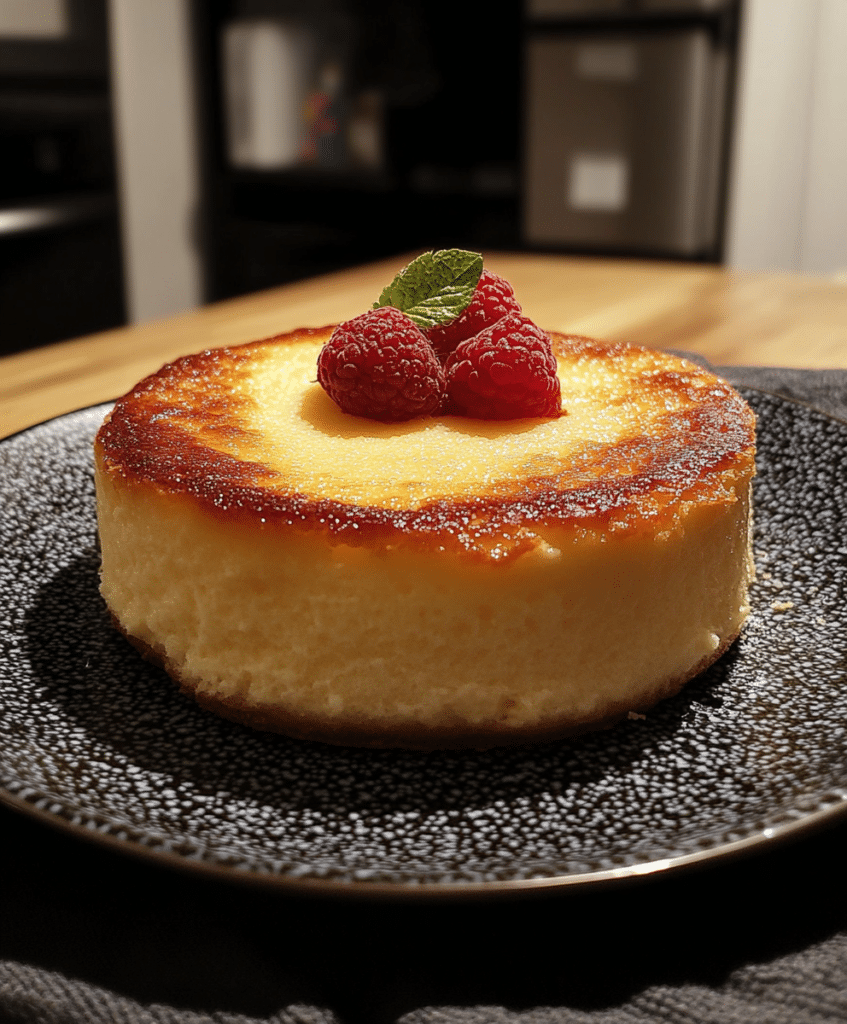
What Is Crème Brûlée Cheesecake?
Crème brûlée cheesecake combines two classic dessert ideas.
Traditional crème brûlée is a creamy baked custard topped with sugar that is caramelized until it forms a thin, brittle shell. Cheesecake uses cream cheese, eggs, and sugar to create a denser, richer filling, often baked over a cookie crumb crust.
Combine those characteristics and you get a cheesecake with a creamy vanilla center and signature caramelized sugar topping.
Crème Brûlée vs. Cheesecake
| Crème Brûlée | Cheesecake |
|---|---|
| Custard-based | Cream cheese-based |
| Usually crustless | Often has a cookie crust |
| Served in individual ramekins | Usually baked in a larger pan |
| Very soft, silky center | Richer, denser center |
| Caramelized sugar topping | Usually plain or topped with sauce |
With this recipe, you don’t have to choose between them.
Why This Combination Works
Cream cheese brings richness and a slight tang that prevents the dessert from tasting one-dimensionally sweet. Vanilla contributes the familiar crème brûlée character, while the caramelized sugar adds a contrasting brittle texture.
Your first bite moves from crisp caramel to creamy cheesecake and finally into the buttery crust.
That contrast is exactly what makes the dessert memorable.
Why You’ll Love This Best Classic Crème Brûlée Cheesecake
Despite its impressive appearance, the recipe relies on straightforward ingredients and techniques.
You’ll love it because it’s:
- Rich and creamy
- Packed with vanilla flavor
- Finished with a crisp caramel shell
- Ideal for special occasions
- Beautiful without complicated decorations
- Easy to prepare ahead
- Customizable with different crusts
- Delicious with fresh berries
- Perfect for dinner parties
Another advantage is timing. You actually want to prepare the cheesecake ahead because chilling gives it time to firm before you add the brûlée topping.
Ingredients for Classic Crème Brûlée Cheesecake
Ingredients for the Crust
| Ingredient | Amount | Purpose |
|---|---|---|
| Graham cracker or digestive biscuit crumbs | 2 cups | Creates the crust |
| Unsalted butter, melted | 6 tbsp | Binds the crumbs |
| Granulated sugar | 2 tbsp | Adds sweetness |
| Salt | Pinch | Balances flavor |
Ingredients for the Cheesecake Filling
| Ingredient | Amount | Purpose |
|---|---|---|
| Full-fat block cream cheese | 32 oz / about 900 g | Main cheesecake base |
| Granulated sugar | 1 cup | Sweetens the filling |
| Large eggs | 4 | Gives structure |
| Heavy cream | ½ cup | Adds richness |
| Sour cream | ½ cup | Adds creaminess and tang |
| Vanilla extract | 2 tsp | Provides vanilla flavor |
| Vanilla bean paste | 1 tsp, optional | Intensifies vanilla |
| Cornstarch | 1 tbsp | Helps stabilize filling |
| Salt | ¼ tsp | Balances sweetness |
For the Crème Brûlée Topping
| Ingredient | Amount |
|---|---|
| Granulated or superfine sugar | ¼–⅓ cup |
You don’t need caramel sauce. The topping is created by caramelizing ordinary sugar directly on the chilled cheesecake.
Choosing Cream Cheese for the Best Texture
Use full-fat block cream cheese whenever possible.
Spreadable cream cheese sold in tubs may have a different moisture content and texture. Block cream cheese gives you better control over the consistency of a baked cheesecake.
Why Room-Temperature Ingredients Matter
Your cream cheese should be softened before mixing.
Room-temperature cream cheese combines more smoothly and reduces the chance of a lumpy batter. Using room-temperature ingredients and mixing at low speed are also established techniques for achieving smoother cheesecake batter without introducing excessive air.
You want your:
- Cream cheese softened
- Eggs close to room temperature
- Sour cream not refrigerator-cold
You don’t, however, want dairy sitting on your counter indefinitely. Keep food-safety considerations in mind and refrigerate perishable ingredients promptly when you’re finished preparing the dessert. USDA guidance recommends keeping refrigerators at 40°F (4°C) or below.
How to Make the Cheesecake Crust
Step 1: Prepare Your Pan
Use a 9-inch springform pan.
Lightly grease it and line the bottom with parchment paper if desired.
If you’re planning to use a water bath, wrap the outside of the springform pan carefully with heavy-duty aluminum foil to reduce the possibility of water reaching the crust.
Step 2: Combine the Crust Ingredients
In a bowl, combine:
- Graham cracker crumbs
- Melted butter
- Sugar
- Pinch of salt
Mix until all the crumbs are evenly moistened.
What Should the Crust Mixture Look Like?
Think of damp sand.
When you squeeze some between your fingers, it should hold together.
If it looks excessively greasy, you’ve probably used too much butter.
Step 3: Press the Crust Into the Pan
Transfer the crumbs to your springform pan.
Use the bottom of a flat measuring cup or drinking glass to press the mixture firmly and evenly over the bottom.
You can bring it slightly up the sides if you like.
Step 4: Pre-Bake
Bake the crust at 350°F (175°C) for approximately 8–10 minutes, or until it smells lightly toasted.
Remove it from the oven and allow it to cool while you make the filling.
Pre-baking gives you a firmer foundation underneath the creamy cheesecake.
How to Make Crème Brûlée Cheesecake Filling
Step 1: Beat the Cream Cheese
Place softened cream cheese in your mixing bowl.
Beat at low to medium-low speed until smooth.
Don’t keep beating after the lumps disappear.
Why You Shouldn’t Overmix Cheesecake
High-speed or prolonged mixing incorporates additional air. During baking, that air expands and can contribute to rising, sinking, and cracking.
For cheesecake, gentle mixing wins.
Step 2: Add Sugar, Cornstarch, and Salt
Add the sugar gradually.
Mix in the cornstarch and salt until incorporated.
Scrape the sides and bottom of the bowl with a spatula.
Step 3: Add the Creamy Ingredients
Add:
- Sour cream
- Heavy cream
- Vanilla extract
- Vanilla bean paste, if using
Mix at low speed just until smooth.
Vanilla Extract or Vanilla Bean Paste?
Vanilla extract works perfectly well.
Vanilla bean paste gives you visible vanilla flecks and a more pronounced vanilla character, which works beautifully with the crème brûlée theme.
You can use both, as suggested in the ingredient table, or keep things simple with vanilla extract alone.
Step 4: Add the Eggs
Add your eggs one at a time.
Mix briefly after each addition.
Once the final egg disappears into the batter, stop mixing.
How to Bake Best Classic Crème Brûlée Cheesecake
Reduce the oven temperature to approximately 325°F (165°C).
Pour your filling over the cooled crust.
Smooth the surface gently with a spatula.
Use a Water Bath
Place the wrapped springform pan inside a larger roasting pan.
Carefully pour hot water into the roasting pan until it comes roughly halfway up the outside of the cheesecake pan.
A water bath helps insulate cheesecake so it bakes more gently and evenly. King Arthur Baking’s comparative testing found a hot-water bath particularly effective for reducing overbaking and cracking.
How Long Should You Bake It?
For a deep 9-inch cheesecake, start checking around 60–70 minutes; depending on your pan, oven, and filling depth, it may need longer.
Rather than relying exclusively on time, watch the texture.
Your cheesecake is approaching doneness when:
- The outer edge looks set.
- The center still has a controlled wobble.
- The surface isn’t deeply browned.
- The middle doesn’t look liquid.
If you’re using a thermometer, King Arthur notes that a creamy cheesecake can register roughly 150°F to 155°F at the center, with higher temperatures nearer the edge.
Don’t Bake Until Completely Firm
This is one of the most common cheesecake mistakes.
The center continues setting as the cheesecake cools.
Overbaking is a major cause of cracking, so don’t wait for your cheesecake to become completely rigid in the oven.
Cool Your Cheesecake Slowly
When baking is complete, turn off your oven.
Crack the oven door and leave the cheesecake inside for about an hour.
Gradual cooling reduces the sudden contraction associated with cheesecake cracking.
Remove the cheesecake from the water bath and allow it to finish cooling as appropriate before refrigerating.
Chill the Cheesecake Completely
Your cheesecake needs time to become properly firm.
Refrigerate it for at least 6 hours, although overnight chilling is even better.
This is why crème brûlée cheesecake makes such a convenient dinner-party dessert. Most of your work can be completed the day before.
Keep the cheesecake refrigerated at 40°F/4°C or colder until needed.
How to Make the Crème Brûlée Topping
Now comes the fun part.
Don’t caramelize your sugar until relatively close to serving. Moisture from the refrigerator gradually softens caramelized sugar, eliminating the crisp shell you’re trying to create.
Step 1: Dry the Surface
Remove your chilled cheesecake from its pan.
If you notice condensation on top, gently blot it with a clean paper towel.
You want a dry surface.
Step 2: Sprinkle With Sugar
Sprinkle approximately ¼ to ⅓ cup sugar evenly over the cheesecake.
You need enough to cover the surface, but don’t create a thick mound.
Why a Thin Layer Is Better
A thin layer melts more evenly and creates a delicate shell that’s easy to crack.
Too much sugar can create a thick, awkward caramel crust.
Step 3: Torch the Sugar
Using a kitchen torch, hold the flame several inches above the sugar.
Move continuously rather than keeping the flame over one area.
Watch the sugar transform:
dry crystals → melted sugar → bubbling caramel → golden amber shell
Stop once you reach a rich amber color.
Don’t aim for blackened sugar. Burnt caramel becomes unpleasantly bitter.
Step 4: Let It Harden
Give the caramelized sugar a minute or two to cool.
It will harden rapidly into the signature crème brûlée shell.
Tap it gently with a spoon.
That crisp crack is exactly what you want.
Can You Make Crème Brûlée Cheesecake Without a Torch?
Yes, although a kitchen torch gives you more control.
Your oven broiler can work as an alternative.
Broiler Method
- Chill your cheesecake thoroughly.
- Sprinkle sugar evenly over the top.
- Position it under a preheated broiler.
- Watch constantly.
- Rotate as necessary.
- Remove as soon as the sugar becomes caramelized.
Never walk away.
Sugar can move from golden to burnt remarkably quickly.
How to Slice Crème Brûlée Cheesecake
You have two textures to cut through: hard caramel and soft cheesecake.
Use a long, sharp knife.
Dip it into hot water, then wipe it completely dry.
Slice firmly through the caramel layer and cheesecake.
Clean and warm your knife between portions for neater slices.
Best Toppings for Crème Brûlée Cheesecake
You don’t need much.
The glossy caramel top is already decorative.
If you want a finishing touch, try:
- Fresh raspberries
- Strawberries
- Blueberries
- Mint
- Small dollops of whipped cream
- Edible flowers
Keep Your Decoration Simple
Don’t bury the caramelized surface beneath sauces or heavy toppings.
The sugar shell should remain the star.
A few raspberries beside each slice can provide color and pleasant acidity without interfering with the caramel.
Delicious Crème Brûlée Cheesecake Variations
Once you master the original recipe, you can easily change the flavor.
Vanilla Bean Crème Brûlée Cheesecake
Use vanilla bean paste generously enough to create visible vanilla flecks throughout your filling.
This is the closest variation to the familiar flavor profile of classic crème brûlée.
Lemon Crème Brûlée Cheesecake
Add finely grated lemon zest to the filling.
The citrus cuts through some of the richness and pairs beautifully with caramel.
Raspberry Crème Brûlée Cheesecake
Swirl a small amount of raspberry sauce into the filling before baking.
Serve additional raspberries alongside each slice.
Espresso Crème Brûlée Cheesecake
Dissolve espresso powder into the heavy cream before incorporating it.
Coffee and caramel make a sophisticated combination.
Chocolate Crème Brûlée Cheesecake
Add melted dark chocolate to your cheesecake mixture.
You can also use chocolate cookie crumbs for the crust.
Common Crème Brûlée Cheesecake Problems
Why Did My Cheesecake Crack?
The most common reasons include:
- Overbaking
- Excessive mixing
- Baking too hot
- Cooling too rapidly
Overbaking is especially important: overheating the egg proteins makes the filling less flexible, which can lead to cracking as the cheesecake changes shape during baking and cooling.
Fortunately, a small crack doesn’t ruin your dessert.
Your caramelized sugar topping can disguise minor imperfections.
Why Is My Cheesecake Lumpy?
Your cream cheese was probably too cold.
Use properly softened cream cheese and scrape your mixing bowl regularly.
Why Is My Crust Soggy?
Water may have leaked into your springform pan.
Wrap the outside carefully before placing it into the water bath.
Why Is My Cheesecake Runny?
Possible causes include:
- Significant underbaking
- Incorrect ingredient measurements
- Insufficient chilling time
Remember that warm cheesecake is naturally much softer than fully chilled cheesecake.
Why Isn’t My Sugar Caramelizing?
Your cheesecake surface may be wet, or your sugar layer may be too thick.
Dry the surface and spread the sugar evenly.
Why Does My Caramel Taste Bitter?
You probably took it too far.
Aim for golden amber rather than very dark brown.
Make-Ahead Crème Brûlée Cheesecake
This dessert practically asks to be prepared in advance.
Day Before Serving
- Prepare crust.
- Make filling.
- Bake cheesecake.
- Cool gradually.
- Refrigerate overnight.
Day of Serving
- Remove cheesecake from pan.
- Dry the surface.
- Add sugar.
- Caramelize.
- Garnish.
- Slice and serve.
The important detail is waiting to create the brûlée shell.
If you caramelize it the night before and refrigerate it, condensation can soften the crisp sugar.
How to Store Leftovers
Return leftover cheesecake to the refrigerator promptly and keep it covered.
USDA guidance says perishable foods should generally be refrigerated within two hours, and refrigerators should stay at 40°F (4°C) or below.
The cheesecake itself will remain enjoyable after refrigeration, although the caramel shell will gradually soften.
Can You Freeze Crème Brûlée Cheesecake?
Yes, but freeze the cheesecake before caramelizing the sugar.
Let it cool and chill completely first.
Then:
- Wrap it securely.
- Place it in a freezer-safe container if possible.
- Freeze.
- Thaw overnight in the refrigerator.
- Add sugar after thawing.
- Torch immediately before serving.
This preserves the signature crackly finish much better than freezing an already caramelized top.
Approximate Nutrition Information
Exact nutrition depends on your ingredients and portion sizes.
| Nutrient | Approximate Amount Per Slice |
|---|---|
| Calories | 480–600 kcal |
| Protein | 7–10 g |
| Carbohydrates | 40–50 g |
| Fat | 34–44 g |
| Sugar | 28–38 g |
For precise nutritional information, calculate values using the exact cream cheese, cookies, cream, sugar, and serving size you use.
Frequently Asked Questions About Best Classic Crème Brûlée Cheesecake
What Is Best Classic Crème Brûlée Cheesecake?
It’s a baked vanilla cheesecake finished with a thin layer of sugar that’s caramelized to create the crisp topping associated with crème brûlée.
Do You Need a Kitchen Torch?
No, but it’s the easiest method. A kitchen torch lets you caramelize the sugar without heating the entire cheesecake significantly. A broiler can also work when carefully monitored.
Can You Make Best Classic Crème Brûlée Cheesecake Ahead?
Yes. In fact, you should prepare the cheesecake far enough ahead for thorough chilling. Add and caramelize the sugar shortly before serving.
Does Crème Brûlée Cheesecake Need a Water Bath?
It’s possible to bake cheesecake without one, but a water bath promotes gentler, more even baking and can reduce the likelihood of overbaking and cracking.
How Do You Know When Cheesecake Is Done?
The outside should look set while the center still has a slight wobble. Don’t wait until the entire cheesecake becomes completely firm.
What Sugar Is Best for the Brûlée Topping?
Regular granulated sugar works. Superfine sugar can also produce an even layer because its smaller crystals melt quickly.
How Do You Keep the Sugar Topping Crisp?
Caramelize it close to serving time and avoid refrigerating the finished brûlée shell for long periods.
Can You Freeze Crème Brûlée Cheesecake?
Yes. Freeze it without the caramelized topping, thaw it in the refrigerator, and brûlée the sugar afterward.
Why Did My Cheesecake Crack?
Overbaking, overmixing, excessive oven temperature, and rapid cooling can all contribute.
Can You Make Mini Crème Brûlée Cheesecakes?
Absolutely. Prepare individual cheesecakes in a muffin pan or suitable small molds, shorten the baking time accordingly, chill them, and caramelize each top before serving.
Conclusion: An Elegant Dessert Worth the Extra Crack
The Best Classic Crème Brûlée Cheesecake gives you everything you want from an impressive dessert without requiring complicated pastry decoration.
You get a buttery crumb crust, rich vanilla cheesecake, and that unmistakable sheet of caramelized sugar on top. Break through it with your fork and the crisp caramel gives way to an incredibly creamy filling underneath.
Your best results come from technique rather than complexity: soften your cream cheese, mix gently, use a water bath, avoid overbaking, cool gradually, chill thoroughly, and caramelize the sugar shortly before serving.
Once you’ve mastered the classic version, experiment with vanilla bean, raspberry, lemon, espresso, or chocolate variations.
Make this Classic Crème Brûlée Cheesecake for your next celebration, then come back and share how it turned out. Leave a comment with your favorite variation, save the recipe for your next special occasion, and share it with someone who can never decide between cheesecake and crème brûlée.